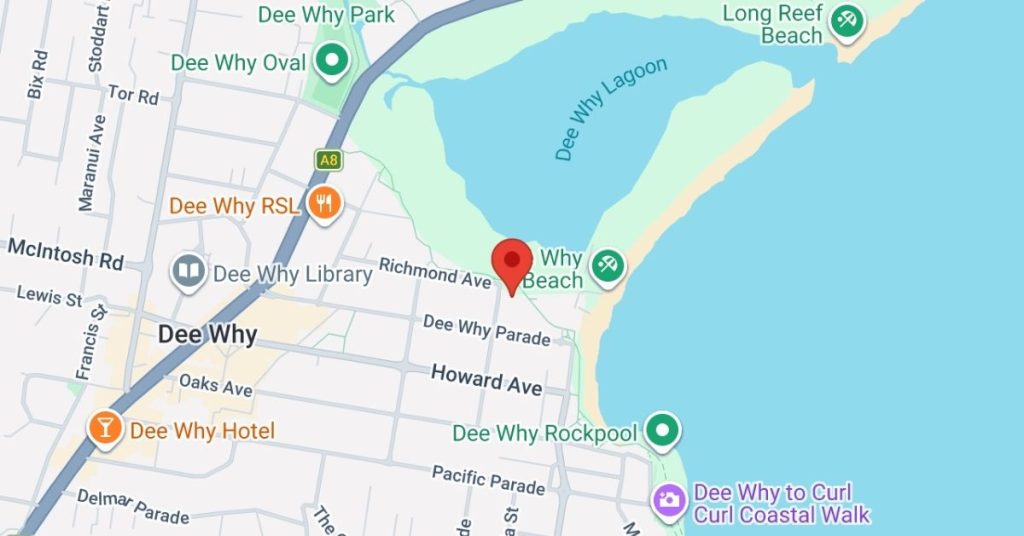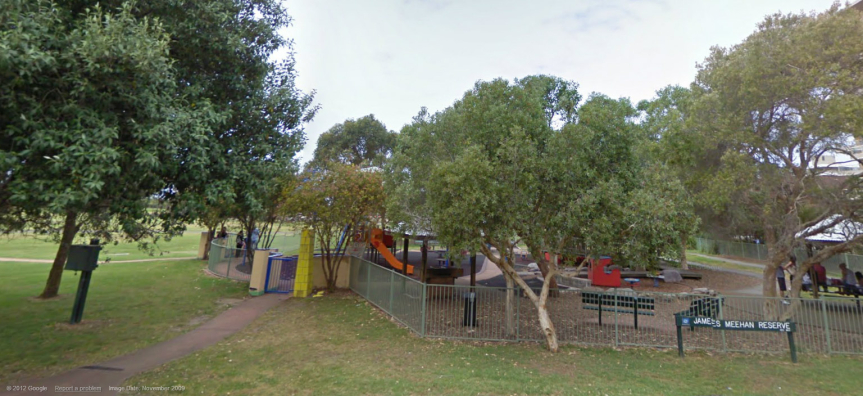



A group of boys aged around 12 to 13 caused serious concern in the Dee Why town centre on Tuesday evening, 4 August, with a spate of antisocial behaviour that escalated over roughly half an hour before police stepped in and made an arrest.
The trouble began shortly after 5.30pm at the Woolworths on Howard Avenue, where roughly six boys were reported to have been yelling and acting in a confrontational manner toward others in the store. From there, the group allegedly attempted to gain access to the residential section of the Lighthouse building nearby before moving on when they were challenged.
What followed unfolded along Howard Avenue and into Dee Why Parade. A particularly alarming moment came when one of the boys allegedly hurled a rock toward a pregnant woman walking on Howard Avenue. The rock missed, and when her partner stepped in to confront the group, the boys offered an apology and moved on. By around 6.00pm, police had been called after the group was reported to be throwing objects at both vehicles and pedestrians along Dee Why Parade.
The situation took a more serious turn when the boys gathered in an alleyway behind the Howard Avenue shops. A local convenience store owner discovered several of them going through goods in the laneway — including a delivery apparently intended for a nearby mobile phone retailer. When he confronted them, the boys allegedly attacked him and fled with his mobile phone.
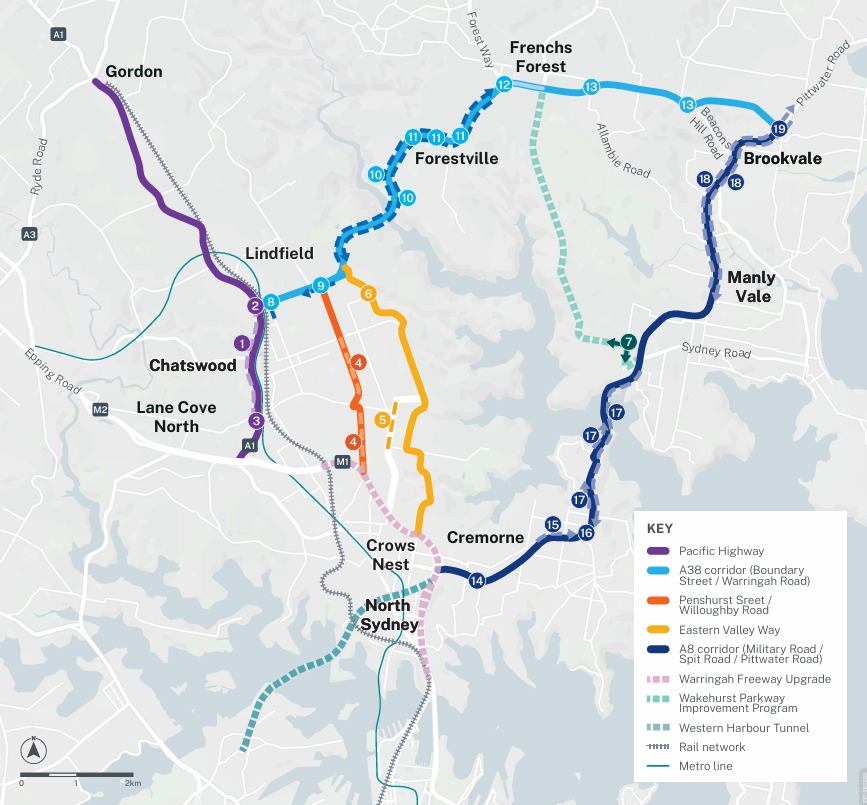
Police, who had already been alerted by a passer-by, located the group near the southbound B-Line bus stop on Pittwater Road. The shopkeeper’s phone was recovered close to the bus stop, and one 12-year-old from the group was taken into custody and brought to Dee Why Police Station.
Following inquiries, NSW Police released the boy with a formal caution under the Young Offenders Act 1997 (NSW). Under that legislation, the Act is designed to provide an alternative to court proceedings for children who commit certain offences, promoting the exercise of police discretion to divert young people away from the criminal justice system. A maximum of three cautions can be issued to any one young person under the Act.
The incident has stirred conversation in the local community, particularly on social media, where residents have been voicing frustration about what they see as a lack of accountability for young offenders and questions about parental supervision.
Published 5-August-2026