



A food waste collection trial involving households in Dee Why has entered a new stage, with results from the suburb’s initial phase informing the rollout of a separate burgundy bin system across parts of the Northern Beaches.
Dee Why Trial Lays Groundwork For Next Stage
Around 1,700 households in Dee Why and Cromer took part in the first phase of the pilot, trialling a system where food scraps were placed into existing green bins alongside garden waste.
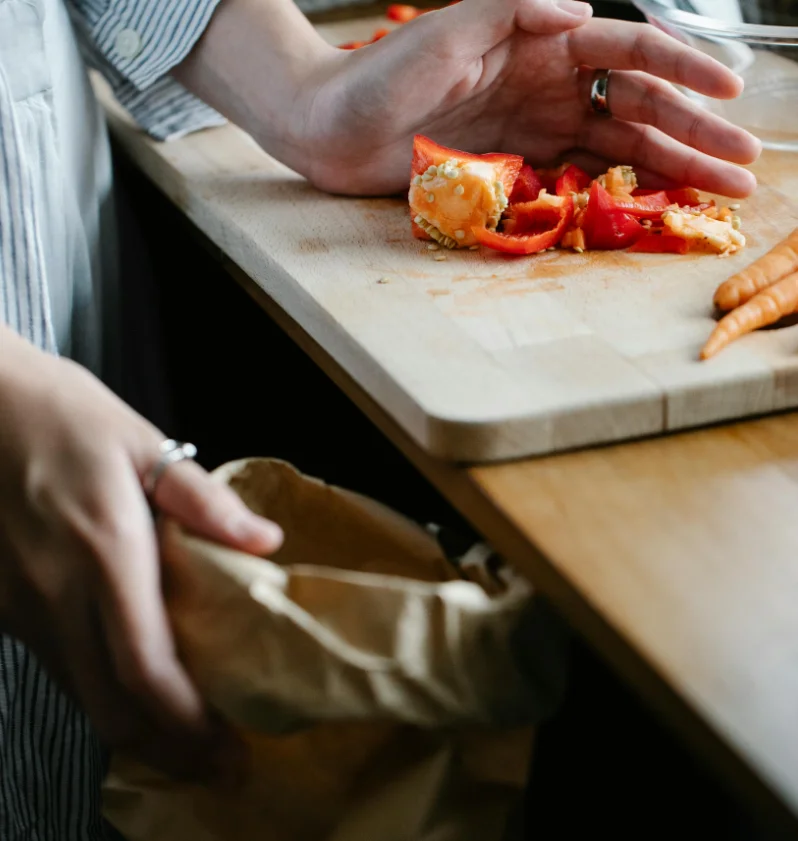
Participants used kitchen caddies and compostable liners to separate food waste before adding it to their regular garden bin collection, allowing the material to be processed into compost for agricultural use.
The initial phase ran from late October 2025 to March 2026, with approximately 330 tonnes of combined food and garden waste collected and recycled. The experience gathered during this stage is now being used to guide the next phase of the program.
Burgundy Bins Introduced In Phase Two
The second phase will run from 21 April to 2 September 2026, introducing a different collection method for selected households in Terrey Hills, Fairlight and Manly Vale.
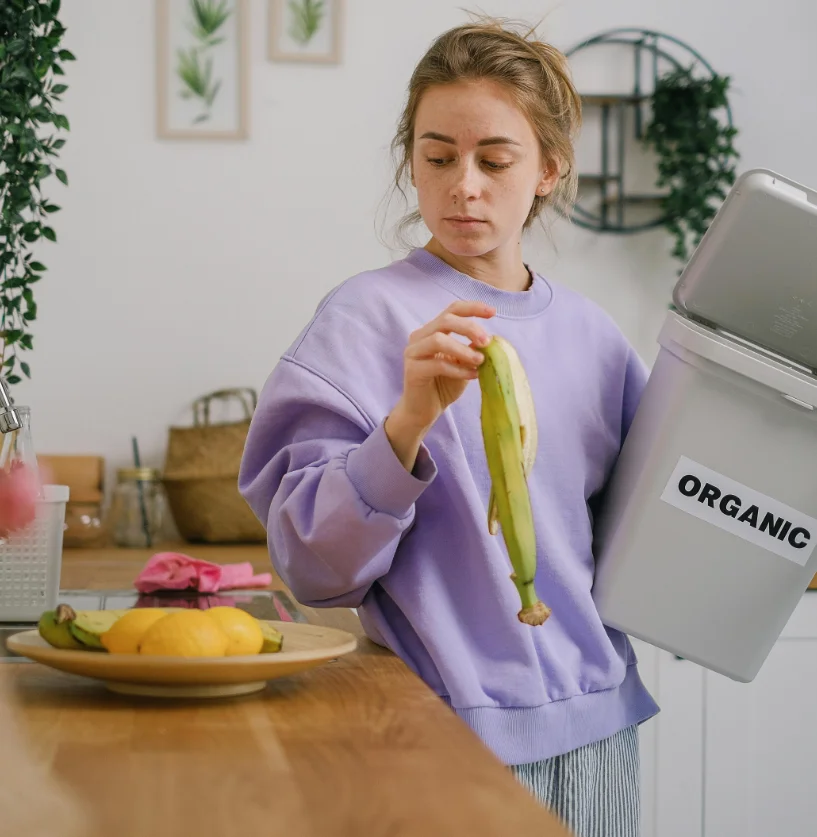
Participants in these areas are trialling a dedicated burgundy bin for food waste only, supported by kitchen caddies and compostable liners to assist with separation at home. Food waste collected through this system will be processed into compost and other agricultural feedstock.
The burgundy bins will be collected weekly on the usual collection day, with other bin services continuing as normal.
Testing Systems Across Different Households
The pilot includes a mix of housing types, from standalone homes to unit blocks, to assess how each system performs in different living environments.
Performance during the trial will be measured through participation rates, contamination levels, waste audits and supplier feedback. These findings will help determine how effectively the system operates across the area.
The pilot is intended to help shape a practical and environmentally responsible service suited to different household types.
Dee Why Trial Supports Broader Waste Reduction
The Dee Why trial forms part of ongoing efforts to reduce the amount of food waste sent to landfill. Food waste makes up a significant portion of household rubbish, and diverting it for processing can reduce greenhouse gas emissions while extending landfill capacity.
Households receiving a residual waste collection service across New South Wales are required to be provided with a food organics and garden organics collection service by 2030. The outcomes of the Northern Beaches pilot will help shape how that service is delivered locally.
As the program continues, the experience gained from Dee Why and other pilot areas is expected to inform a long-term food waste system focused on improving waste recovery.
Published 18-Apr-2026