Dee Why Lagoon Named One of NSW’s Most Microplastic-Contaminated Waterways

Dee Why Lagoon has been identified as one of the most microplastic-contaminated coastal waterways in New South Wales, according to a landmark three-year study that sampled 120 catchments from the Tweed River to the Victorian border.


Read: Dee Why Lagoon Named Microplastic Hotspot in Seven-Year Sydney Waterways Study


The NSW Environment Protection Authority (EPA) and the NSW Department of Climate Change, Energy, the Environment and Water conducted the Broadscale Microplastic Assessment, which measured microplastic concentration in the top 15 centimetres of surface water across the state. It is the first study of its kind undertaken in Australia.

Dee Why Lagoon ranked second on the list of the state’s ten most-affected sites, behind only the Cooks River. Also in the top ten were Muddy Creek, Toongabbie Creek (upper Parramatta River), Throsby Creek, Coffs Creek, South West Rocks Creek, Manly Lagoon, the Parramatta River, and Middle Harbour Creek.

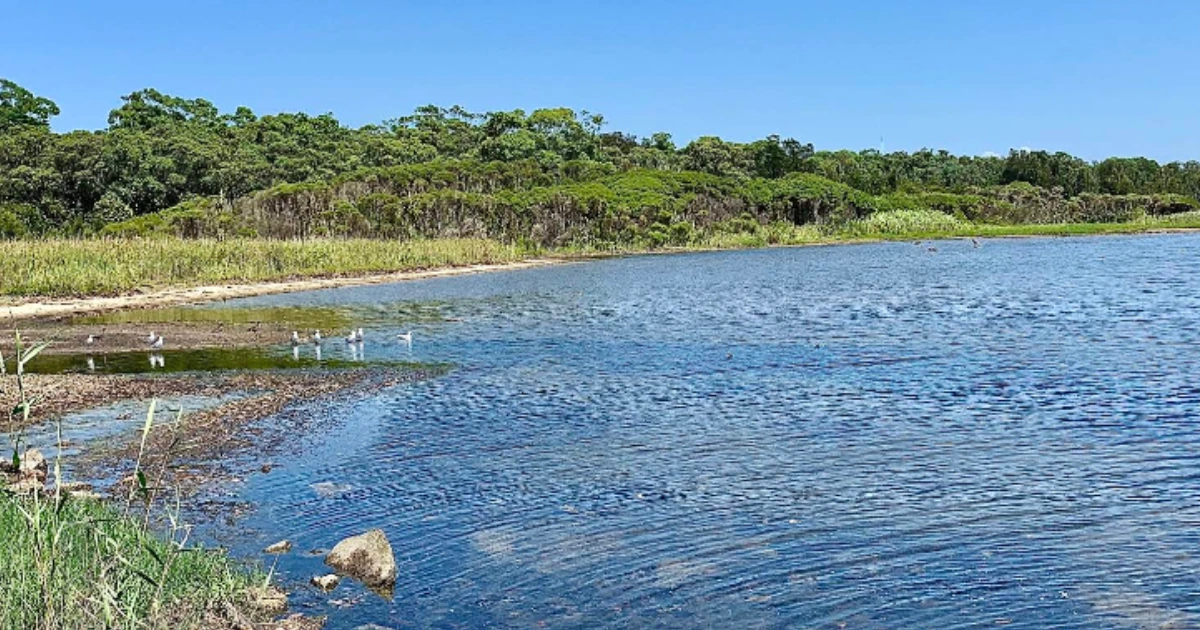
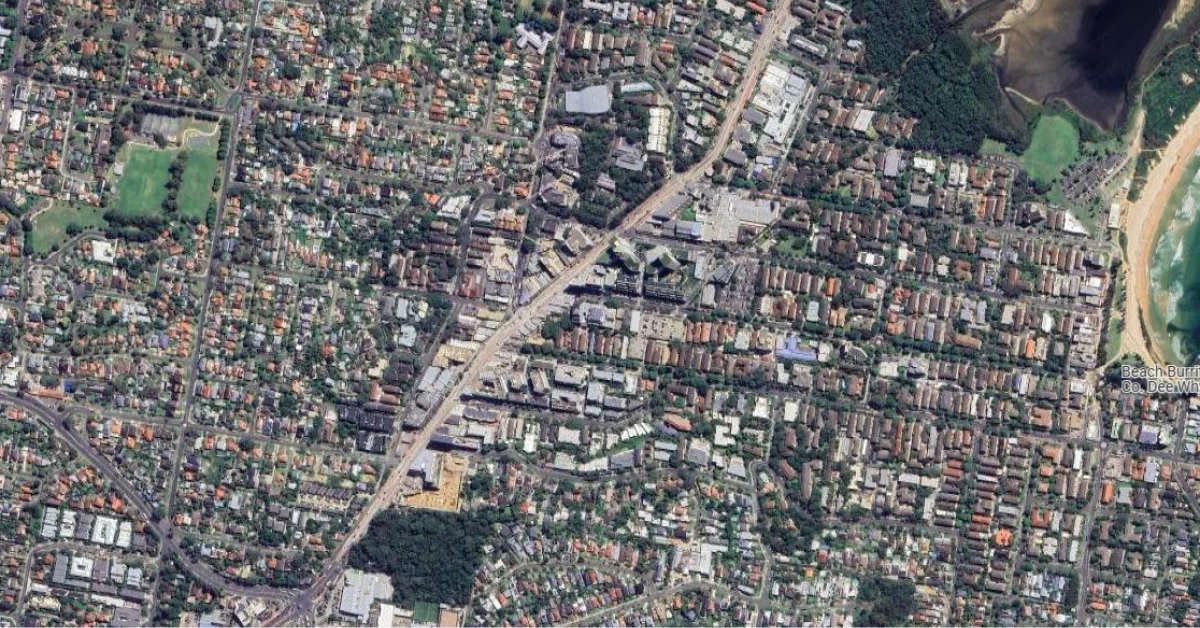
Dee Why Lagoon wildlife refuge (Photo credit: Google Maps/Brett Gardiner)

The assessment identified more than 31,000 plastic particles across all sampled sites, including foam packaging and plastic pellets, known as nurdles, which researchers classified as priority microplastics because their sources can be identified and addressed.

Microplastics were detected in every single waterway sampled, from urban centres to regional and remote catchments. NSW EPA chief executive Tony Chappel said the findings demonstrated the widespread nature of plastic contamination, with no geographic boundaries.

Mr Chappel described microplastics as one of the fastest-emerging threats to marine life and the environment, noting they typically wash from land into rivers and eventually out to sea via stormwater drains. He said the study was the first to sample 120 catchments across the state to identify the most-affected sites, the types of microplastics present, and where authorities could make the greatest impact.

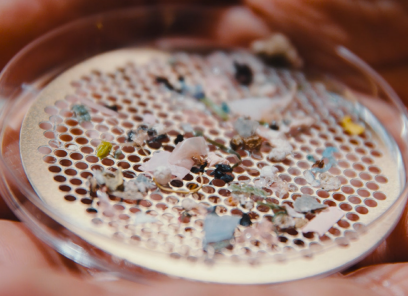
Microplastics (Photo credit: NSW EPA)

The EPA said the data would be used to develop models of pollution sources and pathways, with particular attention to the Cooks River and Manly Lagoon, where authorities plan to trace how litter moves from streets through waterways to the ocean. Mr Chappel said the aim was to pinpoint sources and direct action where it would count most.

He added that the findings would be used to work with water managers on local solutions and to strengthen policies aimed at keeping microplastics out of NSW ecosystems.

The state’s least-contaminated waterways were found to be Myall Lake, Nadgee Lake, Middle Lagoon, Myall Broadwater and Wallaga Lake, all located on the state’s north and south coasts, away from major population centres.

The NSW Government said it is already pursuing a range of measures to curb plastic pollution, including stepped-up compliance activity around existing plastic bans, community awareness campaigns, and grants directed at litter prevention.


Read: Preserving Dee Why Lagoon: A Century-Long Fight for Nature in the Suburbs


The Broadscale Microplastic Assessment is intended to guide where state authorities focus further research and on-the-ground action in the years ahead.

Published 12-April-2026

St Luke’s Grammar Dee Why Leads Northern Beaches Schools in E-Bike Safety ID Tag Program

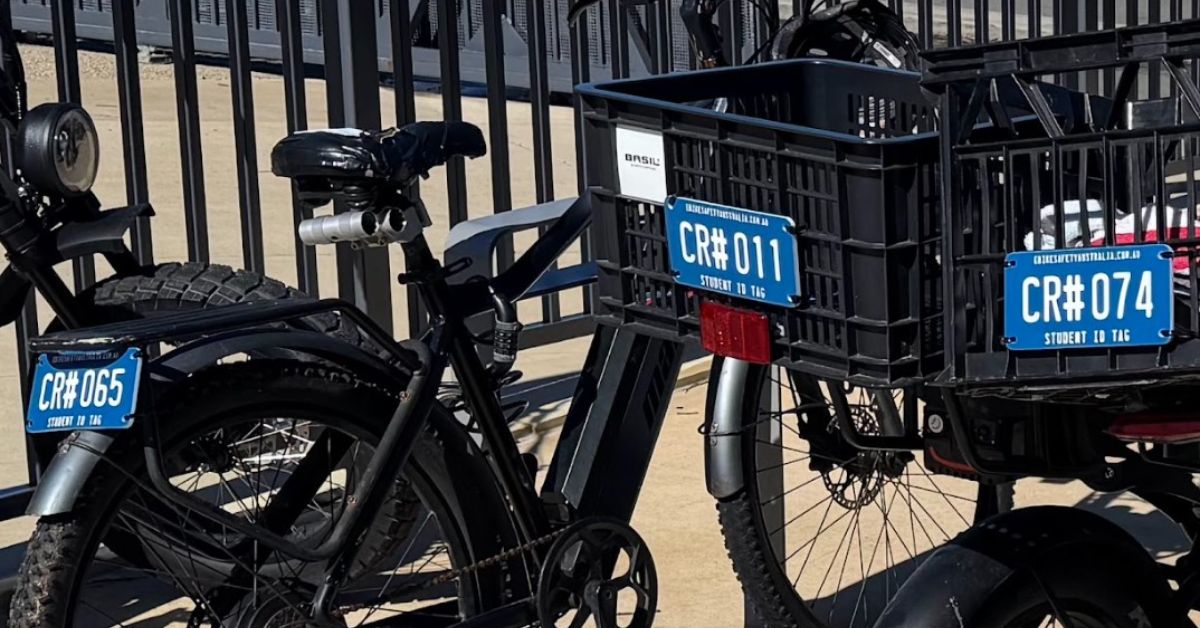
St Luke’s Grammar School in Dee Why has introduced e-bike student ID tags for senior students who ride to school, requiring riders to complete a two-hour online safety course and pass a road rules quiz with a perfect score before receiving a numbered tag linked to their name and attached to their e-bike.


The program, delivered by E-Bike Safety Australia (EBSA), is now running at St Luke’s in Dee Why and The Forest High School at Allambie Heights, making the Northern Beaches an early adopter of a school-based e-bike accountability model that has been piloted across schools in Sydney’s south, the Illawarra and the NSW far north coast.

For the Dee Why community, where the volume of students riding e-bikes to school has grown sharply over the past two years, the program provides a practical local response to a challenge that residents, parents and schools across the peninsula have been grappling with.

How the Program Works

Each EBSA ID tag carries a unique prefix that identifies the rider’s school, allowing any member of the public who witnesses unsafe riding to contact the school directly and quote the tag number. The school then manages the response under its own student wellbeing and safety policies. EBSA itself does not store ID tag data or identify riders by tag number as only the school holds that information.

Before receiving a tag, students must complete an online safety course covering road rules, helmet use, battery safety, riding etiquette and emergency procedures. Upon successful completion, each rider receives a digital licence and the visible school-specific ID tag for their bike.

The source brief confirms students must achieve 100 per cent on the final quiz before the tag and digital licence are issued, and the tag must be attached to the e-bike whenever the student rides in school uniform. St Luke’s also encourages students to keep their tags on their bikes on weekends.

At St Luke’s, principal Geoff Lancaster confirmed 40 students had already received their ID tags at the time of the official program launch, with another 50 from the school’s 1,200-student population having applied. The school has not yet received a public complaint about a tagged rider, though principal Lancaster acknowledged that as more students join the program, incidents will inevitably occur, describing the program’s response mechanism as a proportionate and educational one rather than punitive.

Why E-Bike Numbers Are Rising and Why It Matters

E-bike sales in NSW have grown from under 10,000 in 2017 to an estimated 760,000 e-bikes currently in circulation across the state, a scale of growth that has outpaced both regulation and safety education. On the Northern Beaches, that growth is visible in the daily movement of students riding to school along shared paths, footpaths and roads that were not designed for the volume or speed of modern e-bikes.

As far back as 2022, local schools were approaching community authorities seeking safety resources for students riding e-bikes to school, with many young riders observed not wearing helmets correctly, carrying passengers and riding at high speeds. A community awareness campaign launched in 2024 reached more than 2.78 million views, reflecting the scale of public concern about e-bike behaviour in the area.

Under current NSW law, legal e-bikes must be pedal-assisted, limited to 250 watts of continuous rated power following a December 2025 regulatory change, and must not exceed 25 kilometres per hour under motor assistance alone. Riders under 16 may legally ride on footpaths. The legal framework does not currently require a licence, registration or any demonstrated knowledge of road rules to ride an e-bike, which is the gap the EBSA school program directly addresses at a local level.

What the Program Teaches

The online safety course covers helmet use, battery safety, road rules, riding etiquette and emergency procedures, giving students a structured introduction to the responsibilities that come with riding a motorised vehicle in shared public spaces. For students at St Luke’s, those who have completed the program describe the training as comparable in content and seriousness to the learner driver test, covering the same road rules that motorists must know and applying them specifically to the e-bike context.

The program’s accountability mechanism, the visible ID tag and the school’s authority to withdraw riding privileges, gives the safety education practical weight. A student who rides recklessly near the school or along local footpaths and paths can be identified, reported and counselled or suspended from riding to school, providing a consequence that purely educational messaging cannot deliver on its own.

Growing Use of E-Bikes Among Students

Dee Why sits at the confluence of several busy cycling and riding routes, and its schools draw students from across a wide northern catchment who increasingly choose e-bikes as their primary mode of getting to and from school. The introduction of the EBSA program at St Luke’s Grammar places Dee Why among the first Northern Beaches suburbs to move from general community concern about e-bike behaviour into a structured, school-based accountability response.

E-Bike Safety Australia is currently in discussions with Narrabeen Sports High School about adopting the program, and further Northern Beaches schools are expected to follow as the model proves its effectiveness. Schools, families or community members wanting more information about the EBSA school program can visit ebikesafetyaustralia.com.au.


Published 30-March-2026.

Dee Why Public Safety Round-Up: March 7–13 Incidents

Emergency services responded to a series of incidents across Dee Why during the period, based on reports received by police, fire crews, ambulance services and utility authorities.


Fire Response

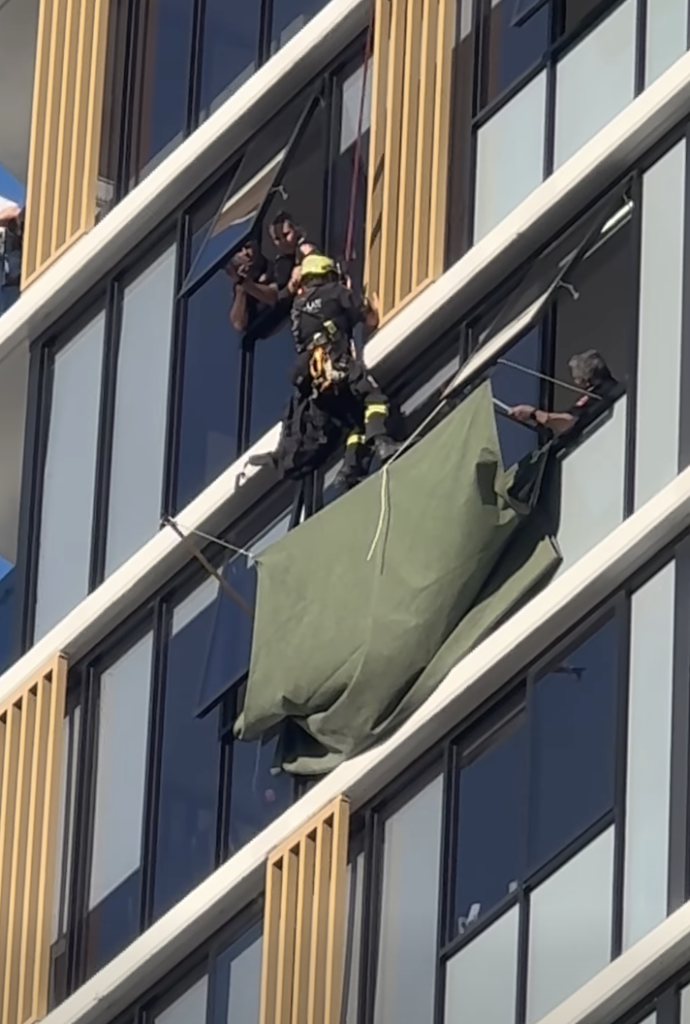
At approximately 3:30pm on Saturday, 7 March, Fire and Rescue NSW crews from Dee Why attended a fire alarm at an apartment building on Redman Road. The alarm had been activated by smoke coming from a barbecue on the balcony of a unit.

Disorderly Behaviour

NSW Police attended several incidents involving intoxicated individuals. At around 7:00pm and again at 8:45pm on Saturday, 7 March, officers were called to Howard Avenue to assist separate individuals.

On Monday, 9 March at about 7:00pm, police responded to a similar report on Pittwater Road.
At approximately 4:30am on Wednesday, 11 March, officers attended another incident involving an intoxicated person on Pittwater Road.

Later that evening at around 9:30pm, police received reports of a group of youths behaving in a disorderly manner near Oaks Avenue.

Assaults

At approximately 4:30pm on Monday, 9 March, police were called to a report of an assault on Oaks Avenue. At around 10:00pm on Wednesday, 11 March, officers responded to reports of youths fighting at Pacific Parade.

Traffic Incidents

At about 8:00pm on Monday, 9 March, police and firefighters attended a crash on Oaks Avenue where a taxi collided with two parked vehicles. The driver had left the scene but was later located nearby. He declined a breath test, stating he had consumed alcohol after returning home. He was released without charge pending further inquiries.

Another vehicle collision was reported at approximately 3:00pm on Friday, 13 March on Oaks Avenue, with police attending.

Theft Reports

Police investigated a break-in reported shortly after 8:00pm on Tuesday, 10 March at a property on South Creek Road.

Later that evening, just before 9:00pm, officers received a separate report of property stolen from a vehicle parked on the same street.

Rescue Operation

At approximately 10:00am on Wednesday, 11 March, Fire and Rescue NSW crews were called to Dee Why RSL Club on Pittwater Road to assist a person trapped inside a lift. The individual was released.

Infrastructure Hazard

Shortly before 9:30pm on Thursday, 12 March, Sydney Water attended McIntosh Road to repair a ruptured water main. One lane of the road was closed during the repair works.

Medical Emergency

At around 3:00pm on Friday, 13 March, police and NSW Ambulance responded to Pacific Parade following reports of a man behaving erratically. The 57-year-old fell and struck his head. He was treated at the scene for a suspected neurological condition and transported to Royal North Shore Hospital in a serious but stable condition.


Further inquiries were continuing into the taxi crash on Oaks Avenue, while other incidents were recorded by authorities during the period.

Published 14-Mar-2026

Dee Why Public Safety Round-Up: 14–20 February 2026 Incidents

Emergency services attended a series of traffic, medical and public order incidents across Dee Why between 14 and 20 February 2026, based on reports received by NSW Police and other responding agencies.


Traffic Incidents

5:30am, Saturday 14 February
NSW Police, NSW Ambulance and Fire and Rescue NSW crews from Dee Why Station responded to a crash on Pittwater Road where a vehicle struck another car before coming to rest on the footpath. A 41-year-old man was located inside in a semi-conscious condition, with suspected intoxication noted. He was transported in a stable condition to Northern Beaches Hospital for mandatory drug and alcohol testing.

12:45pm, Tuesday 17 February
Police and paramedics attended a collision at Kingsway near Westminster Avenue involving a silver 2003 Holden Astra and an e-bike rider. The rider, a woman in her 50s, sustained a leg injury and was taken to Northern Beaches Hospital in a stable condition.

Medical And Injury Responses

10:30am, Sunday 15 February
NSW Ambulance, assisted by NSW Police and the CareFlight Rescue Helicopter, responded to a report of a six-month-old girl experiencing an allergic reaction at Pacific Parade. After assessment near James Meehan Reserve, the infant was transported by road to Northern Beaches Hospital in a stable condition.

10:30am, Sunday 15 February
Surf Life Saving NSW Dee Why patrol requested ambulance assistance after a man dislocated his shoulder in the surf. Paramedics treated and relocated the shoulder at the scene.

5:15pm, Thursday 19 February
NSW Ambulance attended St David Avenue near Dee Why Library after a 17-year-old girl was reported unconscious following a fall from a vehicle in a nearby car park. She was taken to Royal North Shore Hospital in a serious but stable condition.

Rescue

3:00pm, Saturday 14 February
Police and firefighters assisted with the safe release of a child locked inside a public toilet at Walter Gors Park on Howard Avenue.

Public Order And Property Reports

8:15pm, Sunday 15 February
Police received a report of youths throwing eggs at vehicles along Oaks Avenue.

8:45pm, Sunday 15 February
Police and NSW Ambulance responded to reports of a man collapsed on the pavement at Howard Avenue. The 26-year-old was described as intoxicated and became agitated when approached. Police restrained him after he allegedly reached toward an officer’s firearm. He was taken to Northern Beaches Hospital for treatment and mental health assessment.

9:15pm, Sunday 15 February
Police received a report of property damage at Oaks Avenue.

6:00pm, Monday 16 February
Police were notified of a group of youths behaving in a disorderly manner near Howard Avenue.

7:45pm, Tuesday 17 February
Police received a report of a group of youths gathered near Pittwater Road.

4:30pm, Thursday 19 February
Police were notified of disorderly behaviour involving youths near Oaks Avenue.

7:30am, Friday 20 February
Police received a report of property vandalism at Pittwater Road.

5:30pm, Friday 20 February
Police were notified of suspected drug-related activity at Fisher Road.

8:00pm and 10:00pm, Friday 20 February
Police received further reports of disorderly youths gathered near Oaks Avenue.


These matters were recorded by responding authorities during the reporting period.

Published 21-Feb-2026

Dee Why Lagoon Named Microplastic Hotspot in Seven-Year Sydney Waterways Study

Dee Why Lagoon is one of Metropolitan Sydney’s most contaminated waterways for microplastic pollution, according to a new report based on seven years of citizen-led shoreline monitoring.


Read: Dee Why Black Swans Raise New Cygnets at the Lagoon This Summer


The Australian Microplastic Assessment Project (AUSMAP) released its 2026 findings in a report titled Do We Have a Microplastic Problem in Our Coastal NSW Waterways?, published by the Total Environment Centre. 

The report draws on data collected across Sydney’s estuaries, lagoons, harbours and coastal beaches between 2018 and 2025, and identifies Dee Why Lagoon, Port Hacking, North Harbour, and lagoons on the northern beaches, including Narrabeen, as the city’s worst microplastic hotspots.

Key Findings

Dee Why Lagoon
Metropolitan Sydney by plastic type, 2022-2025 (Photo credit: AUSMAP)

Dee Why Lagoon recorded an average of 351 microplastics per square metre across multiple survey periods, with one sample reaching 839 per square metre, a level that falls within AUSMAP’s “high” pollution classification of 251 to 1,000 microplastics per square metre on its monitoring scale.

Nearby sites recorded similarly elevated readings. Curl Curl Lagoon averaged 101 microplastics per square metre across four surveys, with one sample recorded at 1,175 per square metre. Manly Cove, monitored across 78 surveys between 2018 and 2025, recorded an average of 631 microplastics per square metre in the first monitoring period and 1,660 per square metre in the second — making it one of the most comprehensively documented microplastic sites in Australia. Collins Flat Beach in North Harbour recorded a peak of 12,399 microplastics per square metre in a single survey.

Dee Why Lagoon
Photo credit: Alan Ventress/Google Maps

The report notes that smaller, low-flushed estuaries such as Dee Why Lagoon accumulate microplastics more readily than larger, tide-flushed waterways. Locations including Middle Harbour, Pittwater, and the Hawkesbury River, where water is flushed by tides and floods, recorded low concentrations, below 50 microplastics per square metre.

Foam was identified as the dominant microplastic type across most sampled Sydney locations. At Dee Why Lagoon, foam accounted for 52 per cent of recorded microplastics. Across the broader dataset, 67 per cent of Sydney sites recorded hard fragments and foam as the two most common types, and 89 per cent of sites recorded plastic pellets on the shoreline.

Synthetic Grass an Emerging Concern

Photo credit: AUSMAP

The report includes what AUSMAP describes as some of the first site-specific evidence of synthetic grass fibres accumulating in Metropolitan Sydney waterways. Shoreline surveys have detected synthetic grass microplastic fibres at multiple locations dating back to 2019, with concentrations increasing at regularly monitored sites.

At Manly Cove, synthetic grass fragments were first detected in 2019 and concentrations have since tripled. At Rose Bay in Sydney Harbour, synthetic grass debris increased approximately tenfold between 2022 and 2025, reaching more than 20 blades per square metre. The highest average concentration recorded to date was at Tower Beach in Botany Bay, where up to 2,500 synthetic grass blades per square metre were recorded in 2024.

According to the report, synthetic grass fibres are released from installations, including sports fields, school playgrounds, residential yards and landscaped areas, through wear, weathering and maintenance. The fibres enter surrounding stormwater networks and accumulate in sediments and along shorelines, where they can absorb environmental pollutants and be ingested by wildlife.

AUSMAP research at a synthetic turf field in Ku-ring-gai found that stormwater pit traps captured more than 100,000 particles of rubber crumb and synthetic grass per sample, accounting for approximately 82 per cent of particle loss from the site. Sampling of runoff water entering a nearby creek found both rubber crumb and synthetic grass fibres were still present downstream of the traps. The report notes that such mitigation measures are not currently common practice.

Toxicology studies conducted by AUSMAP found that leachate from rubber crumb, a common synthetic turf infill material, affected 50 per cent of test populations of freshwater and marine species at concentrations of one to three per cent. Zinc levels in the leachate significantly exceeded Australian Water Quality Trigger Values. Other chemicals including 6PPD-q and HMMM were also detected, though the report states further trials are needed to determine their impacts on aquatic life.


Read: Dee Why Shark Encounter Prompts Fresh Warnings On Peak Bull Shark Season


Calls for Regulatory Action

AUSMAP is calling for a five-year moratorium on new planning approvals for synthetic grass fields pending further research into human and environmental harm. The organisation is also calling for enforcement of Australian Standards for pollution mitigation at existing synthetic turf sites, more detailed field management guidelines, and greater investment in natural grass alternatives.

The report states that prevention at the source is the most effective solution, given the difficulty of removing microplastics once they have entered aquatic environments. It calls for stronger regulatory protections and improved plastic waste management to protect marine ecosystems.

Published 21-February-2026

James Meehan Reserve Now Has New Outdoor Fitness Equipment for Public Use

New outdoor fitness equipment at James Meehan Reserve in Dee Why are now available for public use, marking the completion of a project shaped by community feedback from a consultation process that began three years ago.


What The Dee Why Fitness Equipment Includes

The installation features a multi-station incorporating leg raise equipment, body dip stations, gorilla bars, roman rings and a pull-up bar. Step-up boxes at two different heights and a sit-up bench have also been added.

Dee Why fitness equipment
Photo Credit: NBC

The equipment are located in a shaded section of the reserve near the children’s playground, with additional trees planned to further improve shade coverage in the area.

An upper strength pod with chest press and pull-down stations forms part of the layout, along with a designated stretching and warm-up zone. The equipment has been designed to cater to a range of ages, abilities and fitness levels, supporting inclusive access to outdoor exercise.

How The Location Was Selected

The installation was completed in January of this year and opened to the public in the first week of February. Community consultation on the proposal took place three years ago, between 14 February and 16 March 2025.

Residents were asked to choose between two potential locations within James Meehan Reserve in Dee Why and provide feedback on the type of equipment proposed. A total of 261 responses were received.

Although feedback was mixed, there was overall support for installing outdoor fitness equipment. The selected location was identified as minimising impacts on open space, events and other park users, with both options positioned away from the reserve’s main gathering areas.

James Meehan Reserve
Photo Credit: NBC

The project also reflects feedback from consultation for the Open Space and Outdoor Recreation Strategy in 2022, which identified demand for free and accessible outdoor exercise facilities at the reserve.


Online responses to the announcement have included positive reactions, with one comment noting it was a welcome addition and expressing interest in similar facilities in other suburbs. Other comments raised concerns about children using the equipment and the potential for injury.

Published 16-Feb-2026

Dee Why Public Safety Round-Up: 31 January to 5 February Incidents

Police and emergency crews responded to a number of unrelated call-outs across Dee Why from Saturday, 31 January to Thursday, 5 February, based on reports received by authorities.


Theft

Just before 1:45am on Saturday, 31 January, NSW Police received a report that items had been stolen from a vehicle parked on Wheeler Parade, Dee Why. Police inquiries are continuing.

Fire Responses

Shortly after 10:45am on Saturday, 31 January, Fire and Rescue NSW (FRNSW) Dee Why Station attended a fire alarm at Fisher Road, Dee Why. Firefighters found no sign of fire and used a thermal imaging camera to check the ceiling space. A faulty heat detector was replaced and the alarm system was reset.

Later that day, shortly before 10:30pm, NSW Police and FRNSW Dee Why Station responded to a fire alarm at Tor Road, Dee Why. Residents reported hearing a loud bang from an oven range hood. Firefighters located a fire in the range hood and extinguished it using a CO₂ fire extinguisher. The range hood and ducting were removed and the ceiling space was checked with thermal imaging to confirm there was no spread.

Assault And Disorderly Behaviour

Just before 2:00am on Sunday, 1 February, NSW Police were called to Palara Place, Dee Why, after a fight was reported.

Just after 2:00am, police received a further report of disorderly youths gathering near Grafton Crescent, Dee Why.

Shortly after 9:00pm on Sunday, 1 February, police attended Pittwater Road, Dee Why, to assist a person reported to be intoxicated.

Just after 10:15pm on Wednesday, 4 February, police were again called to assist an intoxicated person at Kingsway, Dee Why.

Injury Incidents

Just after 4:00pm on Sunday, 1 February, NSW Police and NSW Ambulance responded to an e-bike crash on Griffin Road, Dee Why, near Banksia Street. Paramedics located the 15-year-old female rider in the gutter and assessed her for a potentially serious head injury.

The Toll NSW Ambulance Rescue Helicopter was requested and landed at John Fisher Park, Abbott Road, North Curl Curl, just before 5:00pm. The rider was placed into an induced coma and transported to Sydney Children’s Hospital, Randwick, in a critical condition.

Just before 10:00pm on Thursday, 5 February, NSW Police and NSW Ambulance attended a home on Delmar Parade, Dee Why, following a report that a woman had fallen down a flight of stairs. Paramedics assessed the 63-year-old woman for a serious head injury.

The Toll NSW Ambulance Rescue Helicopter was tasked from Bankstown and landed at Reub Hudson Oval, Abbott Road, North Curl Curl. The woman was placed into an induced coma, taken to the oval, and then transported to Royal North Shore Hospital by road in a critical condition, with a police escort and green-light corridor.

Hazard

Just after 6:00am on Monday, 2 February, FRNSW Dee Why Station attended Pittwater Road, Dee Why, near Oaks Avenue, after a light pole was reported to have come down in strong winds. A vehicle was damaged, but no injuries were reported. Ausgrid attended to repair the pole and wiring, and two northbound lanes were affected.

Death

Just after 6:00am on Tuesday, 3 February, NSW Police, NSW Ambulance, and firefighters from Dee Why and Narrabeen stations were called to Dee Why Beach, about 200 metres north of the surf club, after a man was found unresponsive on the sand. Efforts to revive him were unsuccessful and he was declared deceased just after 6:45am.


Police inquiries are continuing into the reported theft, and the remaining incidents were attended and managed by responding services as reported.

Published 6-Feb-2026

Body Found at Dee Why Beach, Not Linked to Maroubra Search

Emergency services responded to Dee Why Beach early this morning after a body was found washed ashore around 6am on Tuesday, 3 February.


Northern Beaches Police have confirmed the discovery and established that the death does not appear to be shark-related. Authorities have also ruled out any connection to the missing swimmer from Maroubra, who disappeared on Sunday whilst in the water with friends.

The missing man, aged in his thirties, was last seen at Maroubra Beach on Sunday. Eastern Beaches Police Area Command has continued coordinating search efforts involving local police, Marine Area Command, Surf Life Saving and the LifeSaver21 helicopter.

Strong southerly winds overnight had initially raised questions about whether the body might belong to the missing swimmer. However, police have since confirmed the two incidents are unrelated.

Yesterday’s search efforts at Bondi were hampered by heavy seas, but operations resumed at 8am this morning with the same resources deployed.

The identity of the deceased found at Dee Why has not yet been confirmed. Police are working to formally identify the individual and have indicated they will provide official notification once identification is complete.


Members of the public who may have information are encouraged to contact Northern Beaches Police.

Published 3-February-2026

Australia Day Police Medal Recognises Service Linked To Dee Why

A NSW Police officer with earlier service at Dee Why has received an Australian Police Medal as part of the 2026 Australia Day Honours.


Dee Why Service Listed In Career Record

Detective Chief Inspector Matthew James Kehoe joined the NSW Police Force on 18 September 1987 and served at Dee Why, Manly and Frenchs Forest police stations. In 1995, he commenced criminal investigation duties at Manly Police Station and was designated as a detective in 1997.

Work Across Northern New South Wales

His career later included a transfer to the Corrective Services Investigation Unit within State Crime Command, before promotion to sergeant at Lismore in 2005. He also performed duties across northern New South Wales, including a period as general manager of Industry Regulations at the NSW Firearms Registry.

Tweed/Byron Role And Current Posting

In 2018, he transferred to the Tweed/Byron Police District as a duty officer and was promoted to detective chief inspector in 2019. At the time of the award, he was the officer in charge of the Byron Bay Police Station, performing the role of an operations district inspector.

Operational Policing And Community Engagement

His award documentation notes sustained engagement with locals, community groups, and business owners within the tourism industry, contributing to public confidence and collaboration. It also records his support for the family of a missing Belgian backpacker.

The award record further outlines his role in planning, commanding and leading policing operations at Bluesfest, Splendour in the Grass and Falls Festival in the Byron Shire from 2018 to 2024. It also notes his response during the 2019 bushfires and the 2022 floods, as well as his leadership of public order management at the NSW–Queensland border, Byron Bay and Mullumbimby during COVID-19 restrictions.

Australia Day Recognition


Detective Chief Inspector Kehoe was awarded the Australian Police Medal on 26 January 2026, recognising 38 years of service and contribution to the NSW Police Force.

Published 27-Jan-2026

Dee Why Black Swans Raise New Cygnets at the Lagoon This Summer

Dee Why black swans are thriving at the lagoon this summer, with fluffy cygnets marking the continued return of a species that once abandoned the waterway but now symbolises the suburb’s environmental recovery.


The downy youngsters have been spotted paddling around the lagoon with their protective parents, making the most of calm conditions while the water was closed to the public until the middle of January. For Dee Why residents, seeing Dee Why black swans raise their young at the lagoon represents decades of environmental restoration work finally paying off.

From Abandonment to Recovery

Dee Why black swans were once so numerous at the lagoon that the bird became embedded in local identity. Early 20th century, photographs captured 24 black swans on the water at once, enough that local organisations including Dee Why Public School, the bowling club and surfing fraternity all adopted the black swan as their emblem.

By the end of 20th century, the swans had completely abandoned Dee Why Lagoon. Unhealthy water quality, a silted bottom and rubbish-strewn foreshore made the habitat unsuitable for the native species that had defined the area for generations.

Dee Why lagoon
Photo Credit: Alan Chen/Google Maps

The turnaround came through consistent effort. Volunteers from Friends of Dee Why Lagoon worked alongside dedicated restoration specialists to clean up the waterway. Black swans began returning to Dee Why Lagoon, just as they returned to Narrabeen Lagoon after similar restoration work.

A Painted Swan That Brings Good Luck

The black swan’s importance to Dee Why lives on in an unusual local tradition. Sometime in the 1920s, someone painted a black swan on the footpath outside 103 Howard Avenue. That painting became a neighbourhood icon with special meaning—stepping on the painted swan brings bad luck.

Over nearly a century, anonymous artists have kept the tradition alive by repainting the swan whenever it fades. The most recent refresh happened in 2020, when the swan was carefully restored onto newly replaced pavement. The painting has grown over the years, now spanning two paving stones instead of one.

Black swan painting
Photo Credit: Travel with Joanne

Worn grass on either side of the painted swan hints at how seriously locals take the superstition. Residents and visitors alike carefully step around the artwork, maintaining a tradition that connects modern Dee Why to its environmental heritage.

Both the painted swan and the lagoon catchment area appear along the Dee Why Heritage Walk, a 3.5 kilometre loop showcasing the suburb’s architecture, art, memorials and natural landmarks.

Protecting the Newest Generation

The current clutch of cygnets hatched under ideal conditions. With the lagoon temporarily closed, predators stayed away and rough water couldn’t threaten the vulnerable chicks. The parent swans—which pair for life and form strong bonds—have been teaching their young to navigate the local environment.

Anyone spotting the fluffy grey cygnets should keep their distance. Parent black swans actively defend their offspring from any perceived threat, no matter how well-meaning the approach might be.

The chicks are thriving thanks to the collaborative efforts of local Bushcare volunteers and dedicated beach and waterway monitors. These groups work together to maintain the wetland environment that now supports breeding black swans once again.

Black swans photographed
Photo Credit: Friends of the Dee Why Lagoon/Facebook

Success at Dee Why Lagoon shows what’s possible when communities commit to environmental restoration. The sand dune separating the lagoon from the ocean tells a similar story—once almost bereft of vegetation, it now supports dense native growth that stabilises the dune and provides habitat for local birds.

For Dee Why residents who remember when black swans were absent from the lagoon, watching new cygnets paddle through the water represents more than just a pleasant summer sight. It confirms that environmental recovery, while slow, delivers lasting results.

More information about Dee Why Lagoon Wildlife Refuge is available at northernbeaches.nsw.gov.au.


Published 25-January-2026.