



A shark encounter at Dee Why has reinforced expert warnings that summer conditions can increase the likelihood of bull sharks moving closer to shore, particularly after heavy rain.
Dee Why Incident Triggers Beach Closure
Dee Why Beach closed for at least 24 hours after a shark took a bite out of an 11-year-old boy’s surfboard at Dee Why Point on Monday, 19 January.
Lifeguards were alerted around midday and sounded a shark alarm, with signs erected to warn beachgoers. The boy was assisted back to shore by other surfers and his father and was unharmed.

What Was Reported At Dee Why
The incident involved a shark estimated at about 1.5 metres, with the surfboard showing a missing section described as roughly 10–15 centimetres.
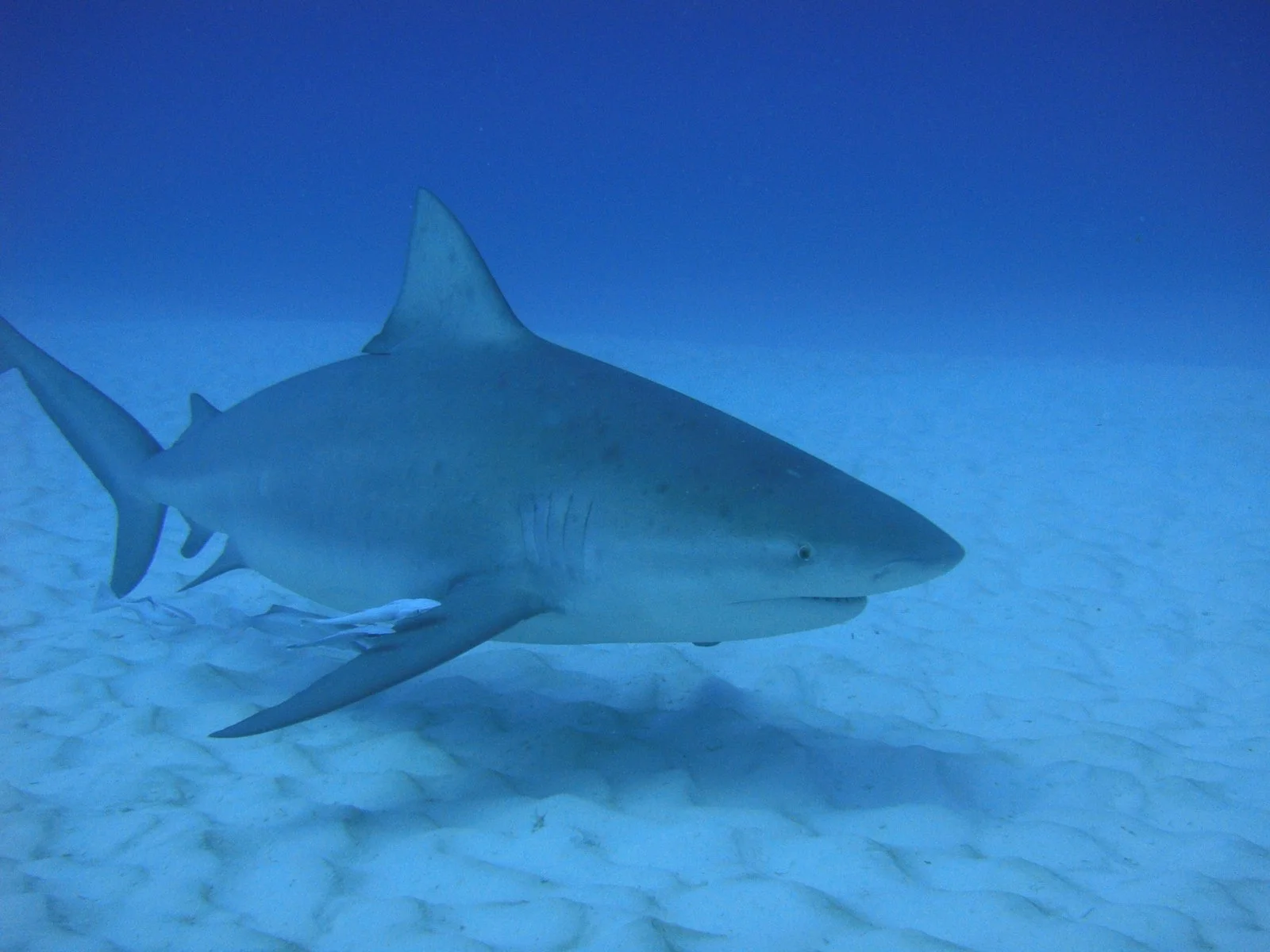
The shark was thought to be a juvenile bull shark. No further sightings at Dee Why were reported after the initial alert.
Why Experts Say Risk Is Higher Right Now
Expert commentary across the sources pointed to a “perfect storm” of seasonal and environmental factors that can increase shark activity close to swimming and surfing areas.
Warm summer water is linked to bull sharks frequenting harbours and near-shore zones for longer periods, while heavy rain and runoff can create brackish, low-visibility water. Those conditions can also shift fish and other food sources toward coastal areas, drawing predators closer.
How Long Elevated Conditions Can Last
Experts cited in the sources warned that risk can remain elevated while water stays turbid after significant rain. One assessment suggested it can take up to a week for water to clear, while other warnings urged people to stay out of the water for at least the next week and potentially longer if conditions persist.
Safety Advice Emphasised In The Sources
Expert advice consistently focuses on avoiding murky water, staying clear of river mouths and areas where bait fish may gather, and using netted swimming enclosures where available.
Beach monitoring measures included drone surveillance and on-water patrols used to scan for shark activity and assess conditions.
Outlook
The Dee Why incident occurred during a period described by experts as peak bull shark season, with warm water and recent heavy rain combining to increase risk in near-shore, low-visibility conditions. Monitoring and closures were expected to continue until conditions improved.
Published 21-Jan-2026