
Dee Why Shark Encounter Prompts Fresh Warnings On Peak Bull Shark Season

A shark encounter at Dee Why has reinforced expert warnings that summer conditions can increase the likelihood of bull sharks moving closer to shore, particularly after heavy rain.


Dee Why Incident Triggers Beach Closure

Dee Why Beach closed for at least 24 hours after a shark took a bite out of an 11-year-old boy’s surfboard at Dee Why Point on Monday, 19 January.

Lifeguards were alerted around midday and sounded a shark alarm, with signs erected to warn beachgoers. The boy was assisted back to shore by other surfers and his father and was unharmed.
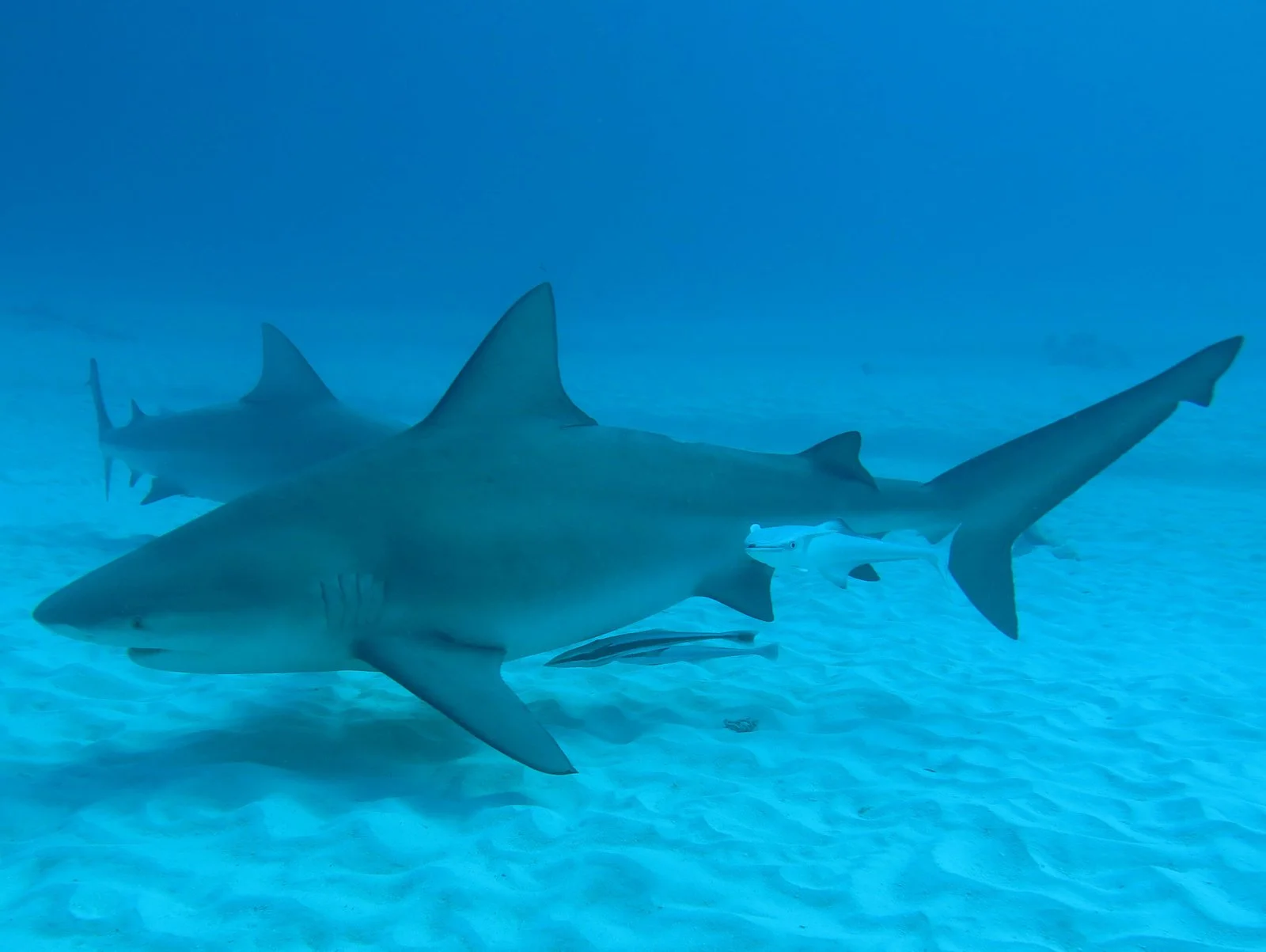
Dee Why shark risk
Photo Credit: Australian Museum

What Was Reported At Dee Why

The incident involved a shark estimated at about 1.5 metres, with the surfboard showing a missing section described as roughly 10–15 centimetres.

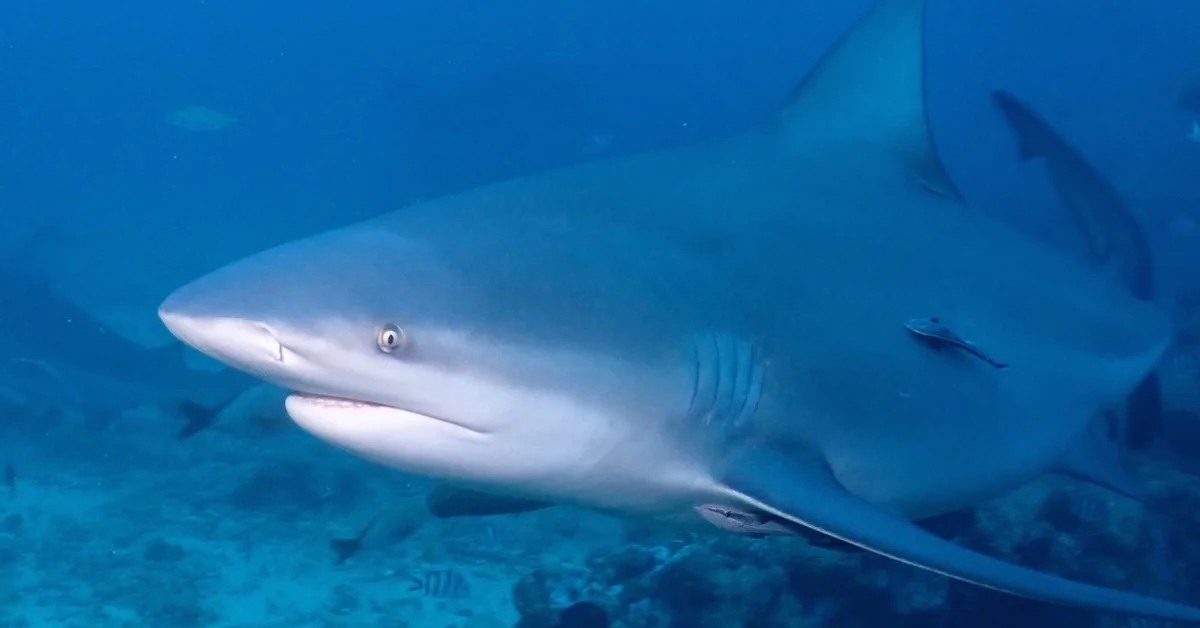
The shark was thought to be a juvenile bull shark. No further sightings at Dee Why were reported after the initial alert.

Why Experts Say Risk Is Higher Right Now

Expert commentary across the sources pointed to a “perfect storm” of seasonal and environmental factors that can increase shark activity close to swimming and surfing areas.

Warm summer water is linked to bull sharks frequenting harbours and near-shore zones for longer periods, while heavy rain and runoff can create brackish, low-visibility water. Those conditions can also shift fish and other food sources toward coastal areas, drawing predators closer.
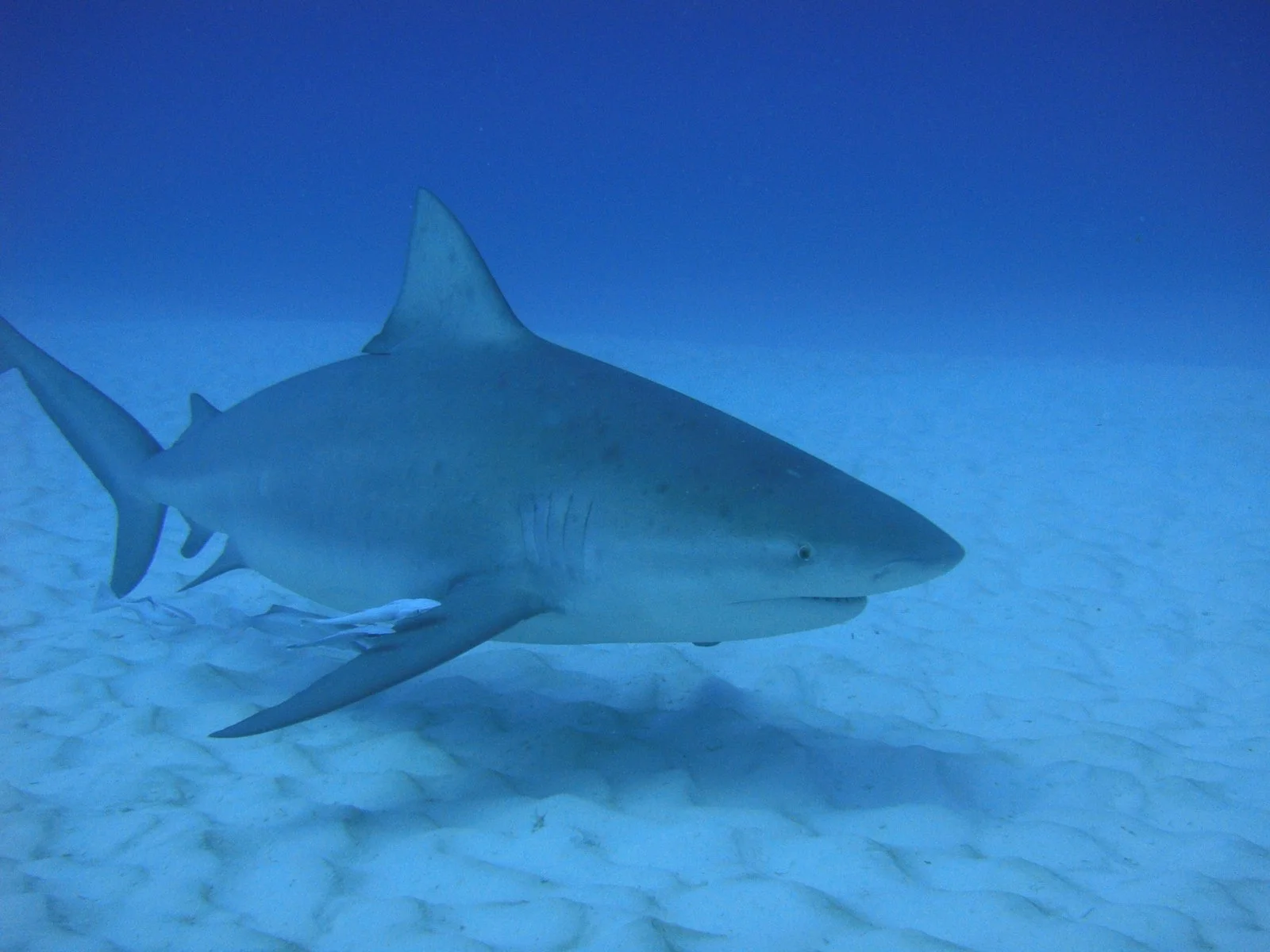
bull shark
Photo Credit: Australian Museum

How Long Elevated Conditions Can Last

Experts cited in the sources warned that risk can remain elevated while water stays turbid after significant rain. One assessment suggested it can take up to a week for water to clear, while other warnings urged people to stay out of the water for at least the next week and potentially longer if conditions persist.

Safety Advice Emphasised In The Sources

Expert advice consistently focuses on avoiding murky water, staying clear of river mouths and areas where bait fish may gather, and using netted swimming enclosures where available.

Beach monitoring measures included drone surveillance and on-water patrols used to scan for shark activity and assess conditions.

Outlook


The Dee Why incident occurred during a period described by experts as peak bull shark season, with warm water and recent heavy rain combining to increase risk in near-shore, low-visibility conditions. Monitoring and closures were expected to continue until conditions improved.

Published 21-Jan-2026
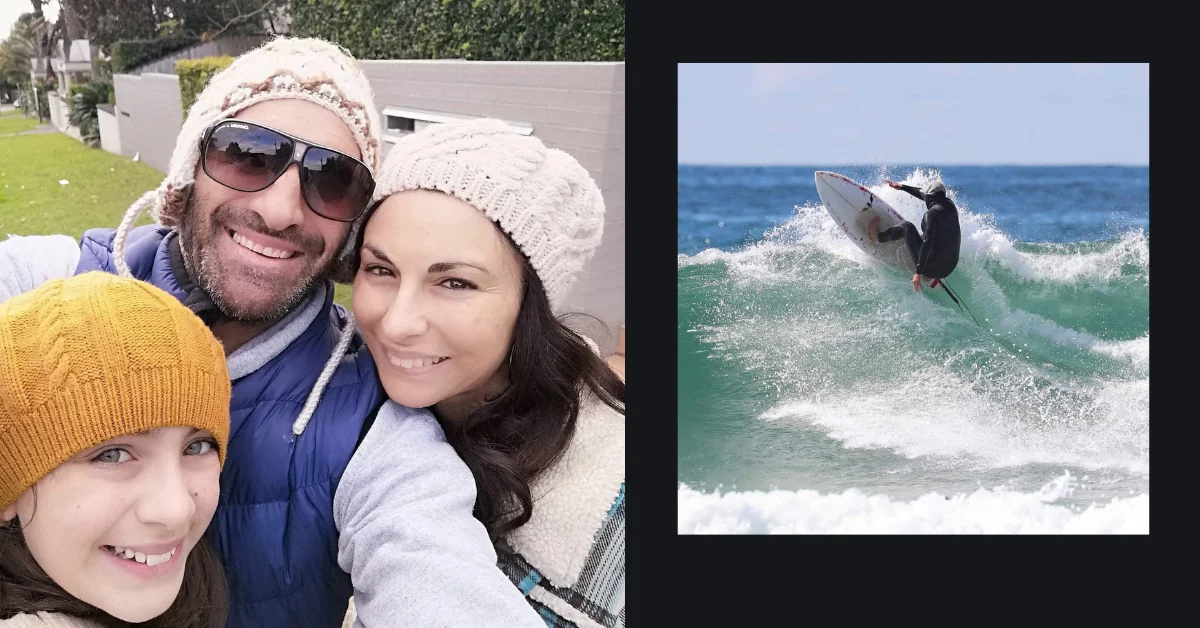
Widow Calls for Stronger Protections After Dee Why Shark Incident

Maria Psillakis has spoken publicly for the first time after her husband, Mercury Psillakis, died in a shark attack in Dee Why, calling for improved safety measures in the area.


Shark Attack in Dee Why Sparks Renewed Safety Focus

On 6 September, Mercury Psillakis was surfing with friends near Dee Why when he was fatally injured by a great white shark. He had been in the water for around half an hour and was approximately 80 metres offshore at the time.

The attack occurred two weeks before the patrol season began, and the shark alarm was not triggered for 45 minutes. Children were later seen swimming close to the site, heightening concerns about the response time.

Advocacy for Evidence-Based Protection

Maria Psillakis is urging improvements to shark detection and monitoring. She has highlighted that drones are operated only during the summer period in Sydney, and that the shark involved was untagged, preventing tracking through existing systems.

Her goal is to reduce the risk of similar incidents by pushing for broader use of evidence-based technology and coordinated safety discussions involving surf lifesaving groups, scientific experts and community representatives.

Photo Credit: Yannis Michalandos/Facebook

A Life Remembered at Dee Why

A paddle-out was held on 27 September, drawing around 1,500 participants who gathered in the water to honour Mercury’s life. His family described him as a devoted husband, father, friend and keen surfer with a deep passion for rare palms.

Mercury had a long history with surfing and community surf clubs, and that he was known for both his humour and his commitment to those around him.

Final Moments and Family Reflections

According to Maria’s tribute, Mercury alerted his friends to the presence of the shark shortly before the attack. She described him as vigilant in the ocean and focused on protecting others.

His family shared memories of their life together, including years of working side-by-side, his love for their daughter, and their choice to slow down after health challenges to prioritise time together.

Photo Credit: Yannis Michalandos/Facebook

Community Support for the Psillakis Family

Community support has been significant. Friends, surfers, school groups, palm enthusiasts and locals have offered help through tributes, attendance at the paddle-out, and personal contributions.

Maria expressed that the support from both close connections and strangers has brought comfort during a difficult period.

Continuing the Call for Change in Dee Why


Maria intends to continue advocating for improved safety in Dee Why, aiming to minimise risk for ocean users and ensure that lessons from the incident contribute to more robust protection measures.

Published 26-Nov-2025

Dee Why Tragedy Spurs Tech Shift as Shark Numbers Rise

A tragic shark attack at Dee Why has spurred a massive community shift towards personal high-tech safety solutions as residents confront an ocean environment altered by recent flooding.


A Community Seeks Answers

The recent death of surfer Mercury Psillakis at Dee Why has deeply affected the Northern Beaches. This shift in caution is clear from new figures showing downloads of the NSW government’s SharkSmart app. On September 6, the day of the attack, downloads jumped from a daily average of 30 or 40 to 308. In the following weeks, more than 8,400 new users downloaded the app, showing a clear community desire for real-time information before entering the water.

A Changed Ocean Environment

shark
Photo Credit: Google Maps

That information is becoming more vital as data shows a changing coastline. The Department of Primary Industries and Regional Development (DPIRD) has recorded a 53 per cent increase in the number of tiger sharks caught on satellite-linked drum lines. This past year, 170 tiger sharks were found, a significant jump from 111 the previous year.

Dr Paul Butcher, a principal research scientist at DPIRD, explained that the state’s record-breaking wet season is largely responsible for the increase. He said that major floods and creek run-off have washed new food sources into the ocean. This attracts tiger sharks, which Dr Butcher described as opportunistic animals that will eat almost anything. He noted this trend is visible not only in New South Wales but as far south as Tasmania.

From Drum Lines to Phone Alerts

shark
Photo Credit: Shark Smart

The SharkSmart app is directly linked to the state’s SMART drum line program. More than 300 of these lines, which use baited hooks, are set up to intercept sharks beyond the surf break. If an animal is caught, government contractors must respond within 30 minutes. If it is a white, tiger, or bull shark, it is fitted with a tag and released about one kilometre from the coast.

Dr Butcher explained that any time one of these tagged animals swims within 500 metres of 37 listening stations along the coast, it sends an instant, real-time alert to every person with the SharkSmart app.


The Future of Personal Safety

In the wake of the Dee Why attack, the NSW government has paused a trial that would have removed some shark nets from beaches. At the same time, it is funding research into new, personal forms of protection.

Scientists from Flinders University and the DPIRD recently published findings on bite-resistant wetsuits. Dr Thomas Clarke, from the university’s Southern Shark Ecology Group, said his team tested four different materials on wild sharks in South Australia and near Norfolk Island. They used baited boards covered in a foam that mimics human flesh, enticing about 30 white sharks and 15 tiger sharks to bite.

Dr Clarke stated that all four bite-resistant materials were able to reduce critical damage, such as the large lacerations and punctures that typically lead to major blood loss and fatalities. These wetsuits often use materials like Kevlar. While it is not known if the suits would protect from crushing or internal injuries, Dr Clarke suggested the results show they could go a long way to reducing deaths from serious bites.

Published Date 06-November-2025