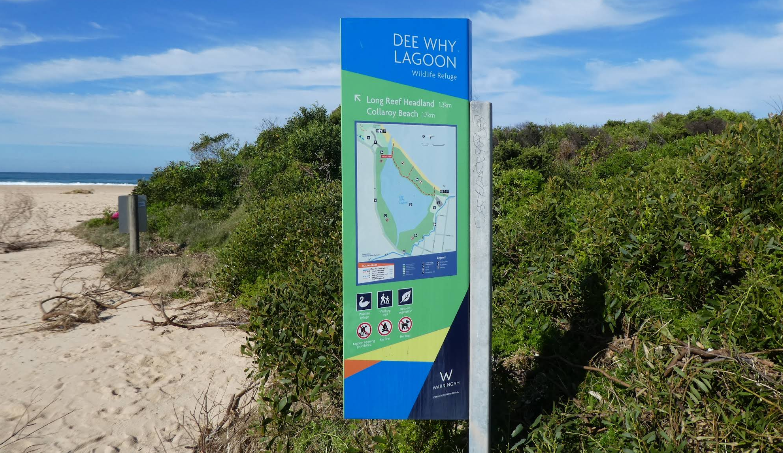


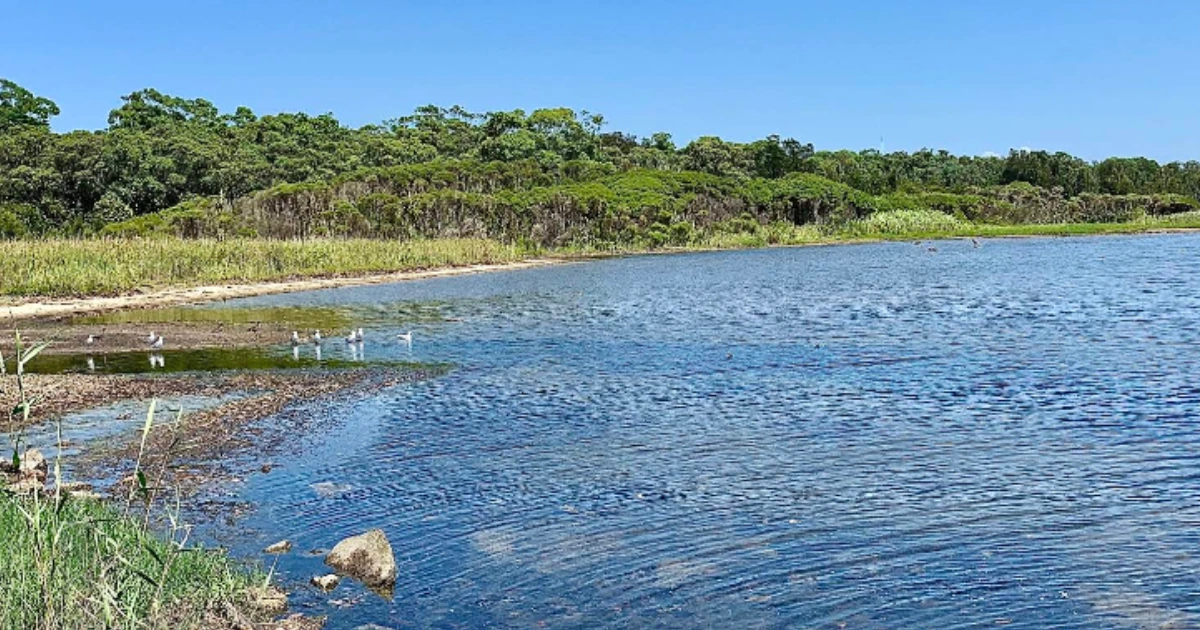
Dee Why Lagoon has been identified as one of the most microplastic-contaminated coastal waterways in New South Wales, according to a landmark three-year study that sampled 120 catchments from the Tweed River to the Victorian border.
Read: Dee Why Lagoon Named Microplastic Hotspot in Seven-Year Sydney Waterways Study
The NSW Environment Protection Authority (EPA) and the NSW Department of Climate Change, Energy, the Environment and Water conducted the Broadscale Microplastic Assessment, which measured microplastic concentration in the top 15 centimetres of surface water across the state. It is the first study of its kind undertaken in Australia.
Dee Why Lagoon ranked second on the list of the state’s ten most-affected sites, behind only the Cooks River. Also in the top ten were Muddy Creek, Toongabbie Creek (upper Parramatta River), Throsby Creek, Coffs Creek, South West Rocks Creek, Manly Lagoon, the Parramatta River, and Middle Harbour Creek.
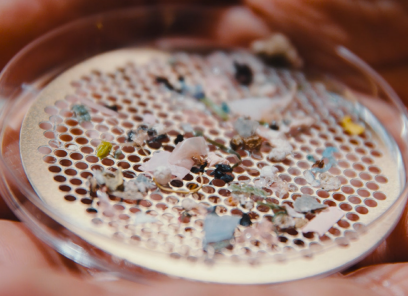
The assessment identified more than 31,000 plastic particles across all sampled sites, including foam packaging and plastic pellets, known as nurdles, which researchers classified as priority microplastics because their sources can be identified and addressed.
Microplastics were detected in every single waterway sampled, from urban centres to regional and remote catchments. NSW EPA chief executive Tony Chappel said the findings demonstrated the widespread nature of plastic contamination, with no geographic boundaries.
Mr Chappel described microplastics as one of the fastest-emerging threats to marine life and the environment, noting they typically wash from land into rivers and eventually out to sea via stormwater drains. He said the study was the first to sample 120 catchments across the state to identify the most-affected sites, the types of microplastics present, and where authorities could make the greatest impact.
The EPA said the data would be used to develop models of pollution sources and pathways, with particular attention to the Cooks River and Manly Lagoon, where authorities plan to trace how litter moves from streets through waterways to the ocean. Mr Chappel said the aim was to pinpoint sources and direct action where it would count most.
He added that the findings would be used to work with water managers on local solutions and to strengthen policies aimed at keeping microplastics out of NSW ecosystems.
The state’s least-contaminated waterways were found to be Myall Lake, Nadgee Lake, Middle Lagoon, Myall Broadwater and Wallaga Lake, all located on the state’s north and south coasts, away from major population centres.
The NSW Government said it is already pursuing a range of measures to curb plastic pollution, including stepped-up compliance activity around existing plastic bans, community awareness campaigns, and grants directed at litter prevention.
Read: Preserving Dee Why Lagoon: A Century-Long Fight for Nature in the Suburbs
The Broadscale Microplastic Assessment is intended to guide where state authorities focus further research and on-the-ground action in the years ahead.
Published 12-April-2026