Dee Why Lagoon Named Microplastic Hotspot in Seven-Year Sydney Waterways Study

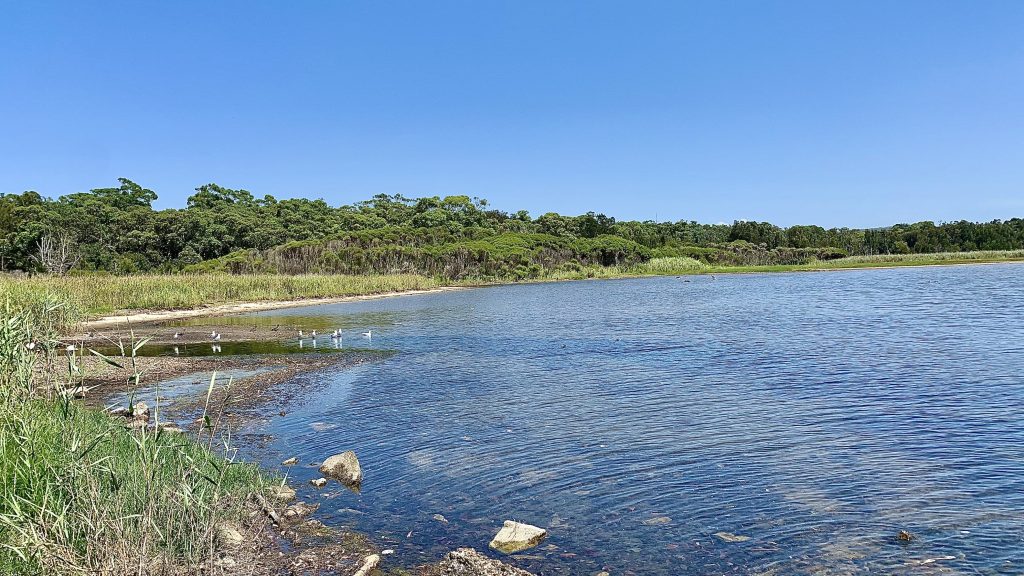
Dee Why Lagoon is one of Metropolitan Sydney’s most contaminated waterways for microplastic pollution, according to a new report based on seven years of citizen-led shoreline monitoring.


Read: Dee Why Black Swans Raise New Cygnets at the Lagoon This Summer


The Australian Microplastic Assessment Project (AUSMAP) released its 2026 findings in a report titled Do We Have a Microplastic Problem in Our Coastal NSW Waterways?, published by the Total Environment Centre. 

The report draws on data collected across Sydney’s estuaries, lagoons, harbours and coastal beaches between 2018 and 2025, and identifies Dee Why Lagoon, Port Hacking, North Harbour, and lagoons on the northern beaches, including Narrabeen, as the city’s worst microplastic hotspots.

Key Findings

Dee Why Lagoon
Metropolitan Sydney by plastic type, 2022-2025 (Photo credit: AUSMAP)

Dee Why Lagoon recorded an average of 351 microplastics per square metre across multiple survey periods, with one sample reaching 839 per square metre, a level that falls within AUSMAP’s “high” pollution classification of 251 to 1,000 microplastics per square metre on its monitoring scale.

Nearby sites recorded similarly elevated readings. Curl Curl Lagoon averaged 101 microplastics per square metre across four surveys, with one sample recorded at 1,175 per square metre. Manly Cove, monitored across 78 surveys between 2018 and 2025, recorded an average of 631 microplastics per square metre in the first monitoring period and 1,660 per square metre in the second — making it one of the most comprehensively documented microplastic sites in Australia. Collins Flat Beach in North Harbour recorded a peak of 12,399 microplastics per square metre in a single survey.
Dee Why Lagoon
Photo credit: Alan Ventress/Google Maps

The report notes that smaller, low-flushed estuaries such as Dee Why Lagoon accumulate microplastics more readily than larger, tide-flushed waterways. Locations including Middle Harbour, Pittwater, and the Hawkesbury River, where water is flushed by tides and floods, recorded low concentrations, below 50 microplastics per square metre.

Foam was identified as the dominant microplastic type across most sampled Sydney locations. At Dee Why Lagoon, foam accounted for 52 per cent of recorded microplastics. Across the broader dataset, 67 per cent of Sydney sites recorded hard fragments and foam as the two most common types, and 89 per cent of sites recorded plastic pellets on the shoreline.

Synthetic Grass an Emerging Concern

Photo credit: AUSMAP

The report includes what AUSMAP describes as some of the first site-specific evidence of synthetic grass fibres accumulating in Metropolitan Sydney waterways. Shoreline surveys have detected synthetic grass microplastic fibres at multiple locations dating back to 2019, with concentrations increasing at regularly monitored sites.

At Manly Cove, synthetic grass fragments were first detected in 2019 and concentrations have since tripled. At Rose Bay in Sydney Harbour, synthetic grass debris increased approximately tenfold between 2022 and 2025, reaching more than 20 blades per square metre. The highest average concentration recorded to date was at Tower Beach in Botany Bay, where up to 2,500 synthetic grass blades per square metre were recorded in 2024.

According to the report, synthetic grass fibres are released from installations, including sports fields, school playgrounds, residential yards and landscaped areas, through wear, weathering and maintenance. The fibres enter surrounding stormwater networks and accumulate in sediments and along shorelines, where they can absorb environmental pollutants and be ingested by wildlife.

AUSMAP research at a synthetic turf field in Ku-ring-gai found that stormwater pit traps captured more than 100,000 particles of rubber crumb and synthetic grass per sample, accounting for approximately 82 per cent of particle loss from the site. Sampling of runoff water entering a nearby creek found both rubber crumb and synthetic grass fibres were still present downstream of the traps. The report notes that such mitigation measures are not currently common practice.

Toxicology studies conducted by AUSMAP found that leachate from rubber crumb, a common synthetic turf infill material, affected 50 per cent of test populations of freshwater and marine species at concentrations of one to three per cent. Zinc levels in the leachate significantly exceeded Australian Water Quality Trigger Values. Other chemicals including 6PPD-q and HMMM were also detected, though the report states further trials are needed to determine their impacts on aquatic life.


Read: Dee Why Shark Encounter Prompts Fresh Warnings On Peak Bull Shark Season


Calls for Regulatory Action

AUSMAP is calling for a five-year moratorium on new planning approvals for synthetic grass fields pending further research into human and environmental harm. The organisation is also calling for enforcement of Australian Standards for pollution mitigation at existing synthetic turf sites, more detailed field management guidelines, and greater investment in natural grass alternatives.

The report states that prevention at the source is the most effective solution, given the difficulty of removing microplastics once they have entered aquatic environments. It calls for stronger regulatory protections and improved plastic waste management to protect marine ecosystems.

Published 21-February-2026
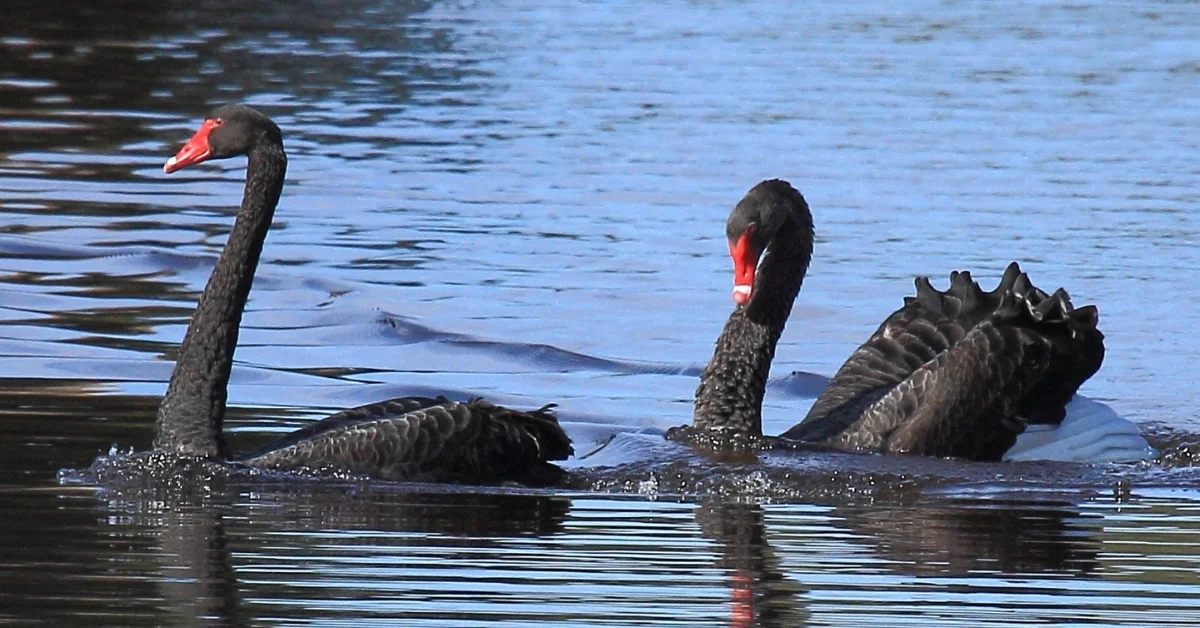
Dee Why Black Swans Raise New Cygnets at the Lagoon This Summer

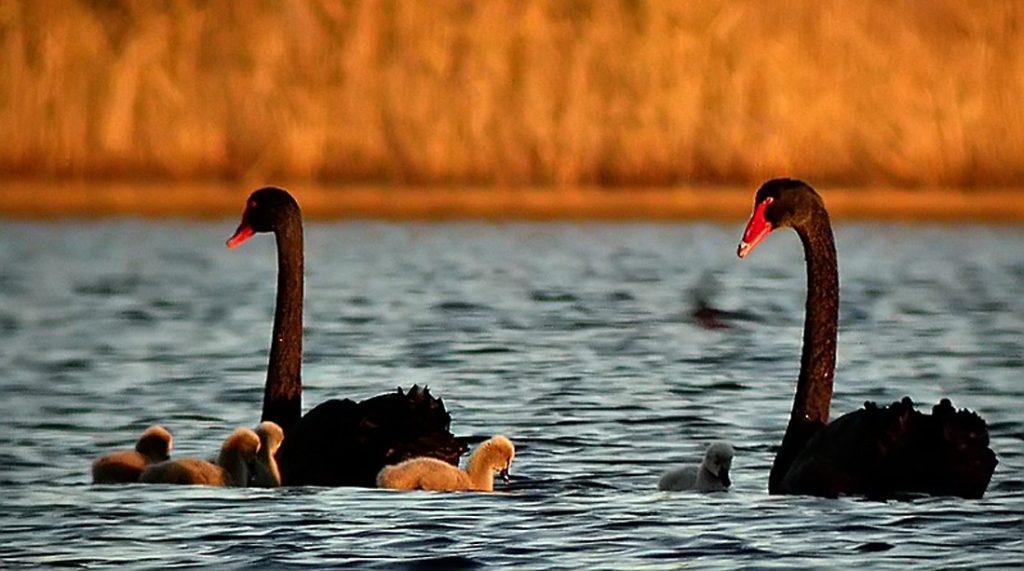
Dee Why black swans are thriving at the lagoon this summer, with fluffy cygnets marking the continued return of a species that once abandoned the waterway but now symbolises the suburb’s environmental recovery.


The downy youngsters have been spotted paddling around the lagoon with their protective parents, making the most of calm conditions while the water was closed to the public until the middle of January. For Dee Why residents, seeing Dee Why black swans raise their young at the lagoon represents decades of environmental restoration work finally paying off.

From Abandonment to Recovery

Dee Why black swans were once so numerous at the lagoon that the bird became embedded in local identity. Early 20th century, photographs captured 24 black swans on the water at once, enough that local organisations including Dee Why Public School, the bowling club and surfing fraternity all adopted the black swan as their emblem.

By the end of 20th century, the swans had completely abandoned Dee Why Lagoon. Unhealthy water quality, a silted bottom and rubbish-strewn foreshore made the habitat unsuitable for the native species that had defined the area for generations.

Dee Why lagoon
Photo Credit: Alan Chen/Google Maps

The turnaround came through consistent effort. Volunteers from Friends of Dee Why Lagoon worked alongside dedicated restoration specialists to clean up the waterway. Black swans began returning to Dee Why Lagoon, just as they returned to Narrabeen Lagoon after similar restoration work.

A Painted Swan That Brings Good Luck

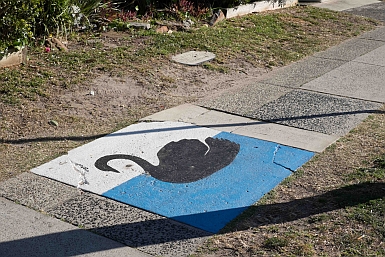
The black swan’s importance to Dee Why lives on in an unusual local tradition. Sometime in the 1920s, someone painted a black swan on the footpath outside 103 Howard Avenue. That painting became a neighbourhood icon with special meaning—stepping on the painted swan brings bad luck.

Over nearly a century, anonymous artists have kept the tradition alive by repainting the swan whenever it fades. The most recent refresh happened in 2020, when the swan was carefully restored onto newly replaced pavement. The painting has grown over the years, now spanning two paving stones instead of one.

Black swan painting
Photo Credit: Travel with Joanne

Worn grass on either side of the painted swan hints at how seriously locals take the superstition. Residents and visitors alike carefully step around the artwork, maintaining a tradition that connects modern Dee Why to its environmental heritage.

Both the painted swan and the lagoon catchment area appear along the Dee Why Heritage Walk, a 3.5 kilometre loop showcasing the suburb’s architecture, art, memorials and natural landmarks.

Protecting the Newest Generation

The current clutch of cygnets hatched under ideal conditions. With the lagoon temporarily closed, predators stayed away and rough water couldn’t threaten the vulnerable chicks. The parent swans—which pair for life and form strong bonds—have been teaching their young to navigate the local environment.

Anyone spotting the fluffy grey cygnets should keep their distance. Parent black swans actively defend their offspring from any perceived threat, no matter how well-meaning the approach might be.

The chicks are thriving thanks to the collaborative efforts of local Bushcare volunteers and dedicated beach and waterway monitors. These groups work together to maintain the wetland environment that now supports breeding black swans once again.

Black swans photographed
Photo Credit: Friends of the Dee Why Lagoon/Facebook

Success at Dee Why Lagoon shows what’s possible when communities commit to environmental restoration. The sand dune separating the lagoon from the ocean tells a similar story—once almost bereft of vegetation, it now supports dense native growth that stabilises the dune and provides habitat for local birds.

For Dee Why residents who remember when black swans were absent from the lagoon, watching new cygnets paddle through the water represents more than just a pleasant summer sight. It confirms that environmental recovery, while slow, delivers lasting results.

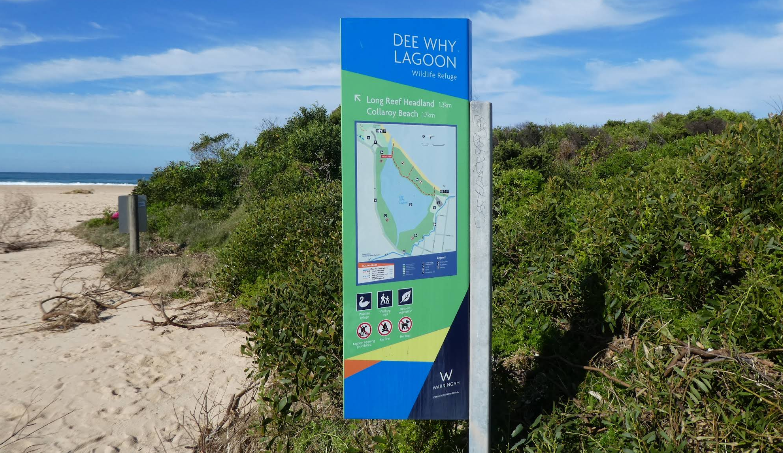
More information about Dee Why Lagoon Wildlife Refuge is available at northernbeaches.nsw.gov.au.


Published 25-January-2026.

Preserving Dee Why Lagoon: A Century-Long Fight for Nature in the Suburbs

The preservation of Dee Why Lagoon stands as one of the Northern Beaches’ earliest and most hard-fought environmental victories—a battle that spanned decades and pitted local advocates and council against development pressures and a powerful landowner. Today, the peaceful estuary offers sanctuary to birdlife and a breath of nature for the community, but its survival was never guaranteed.


Read: Dee Why Divided Over Plans for Outdoor Gym at James Meehan Reserve


For more than a century, Dee Why Lagoon faced the threat of being carved up, filled in, or built over. Though smaller and less prominent than nearby Narrabeen Lagoon, its ecological and scenic value is just as vital to the character of Dee Why and Collaroy. Saving it required tireless effort, strategic negotiation, and a deep belief in the value of public green space.

View north across Dee Why Lagoon and Long Reef, c 1890 (Photo credit: Northern Beaches Council Library Local Studies)

The lagoon’s troubles began with land grants in the early 1800s. After passing through several owners, the area around the lagoon was inherited by Elizabeth Jenkins, who eventually donated it to the Salvation Army in exchange for an annuity. The Army believed it owned not only the land but the lagoon itself, arguing that it was a self-contained lake. That claim was overturned in 1910 when the High Court declared the lagoon an estuary of the sea—and thus Crown land.

However, the lagoon was still effectively off-limits to the public, surrounded entirely by land under the Army’s control, including the sand spit that separates the lagoon from the ocean. In the decades that followed, the Army repeatedly attempted to subdivide and sell portions of the land, particularly the sand spit, prompting growing concern among locals and environmental advocates.

 Dee Why Lagoon
View over Dee Why Beach and Lagoon from headland, ca 1920 (Photo credit: State Library of NSW)

Warringah Council, backed by groups such as the Wildlife Preservation Society and the Parks and Playgrounds Movement, pushed to acquire the land for public use. But progress was slow. The Army initially demanded £10,800—an unaffordable sum during the Great Depression. 

Dee Why Beach and Lagoon (Photo credit: State Library of New South Wales)

The council tried various angles, from asking the state government for financial help to proposing a small rate levy on local residents. After years of back-and-forth, the Army finally accepted a reduced price of £6,200 in 1936, and generously donated the sand spit—on the condition that the council covered legal costs. The deal was finalised in 1937.

 Dee Why Lagoon
Tank traps dating from World War II in Dee Why Lagoon (Photo credit: CC BY-SA 3.0/Terovian/Wikimedia Commons)

Ironically, public ownership brought new challenges. The southern end of the lagoon was used as a rubbish tip, later becoming the site of a park. Wetlands were reclaimed for housing and light industry. Still, enough of the lagoon was preserved to provide an enduring refuge for wildlife and a reminder of what was saved—and what was lost.


Read: Dee Why Beach Incident Highlights Shark Net Controversy, Removal Being Considered


Dee Why Lagoon remains a case study in environmental persistence. Its protection didn’t come easily, and its current state reflects both the triumphs and compromises of urban conservation. In a rapidly developing city, the lagoon endures as a symbol of what a community can achieve when it decides that nature is worth the fight.

Published 11-April-2025