


Dee Why Shark Encounter Prompts Fresh Warnings On Peak Bull Shark Season

A shark encounter at Dee Why has reinforced expert warnings that summer conditions can increase the likelihood of bull sharks moving closer to shore, particularly after heavy rain.


Dee Why Incident Triggers Beach Closure

Dee Why Beach closed for at least 24 hours after a shark took a bite out of an 11-year-old boy’s surfboard at Dee Why Point on Monday, 19 January.

Lifeguards were alerted around midday and sounded a shark alarm, with signs erected to warn beachgoers. The boy was assisted back to shore by other surfers and his father and was unharmed.

Dee Why shark risk
Photo Credit: Australian Museum

What Was Reported At Dee Why

The incident involved a shark estimated at about 1.5 metres, with the surfboard showing a missing section described as roughly 10–15 centimetres.

The shark was thought to be a juvenile bull shark. No further sightings at Dee Why were reported after the initial alert.

Why Experts Say Risk Is Higher Right Now

Expert commentary across the sources pointed to a “perfect storm” of seasonal and environmental factors that can increase shark activity close to swimming and surfing areas.

Warm summer water is linked to bull sharks frequenting harbours and near-shore zones for longer periods, while heavy rain and runoff can create brackish, low-visibility water. Those conditions can also shift fish and other food sources toward coastal areas, drawing predators closer.
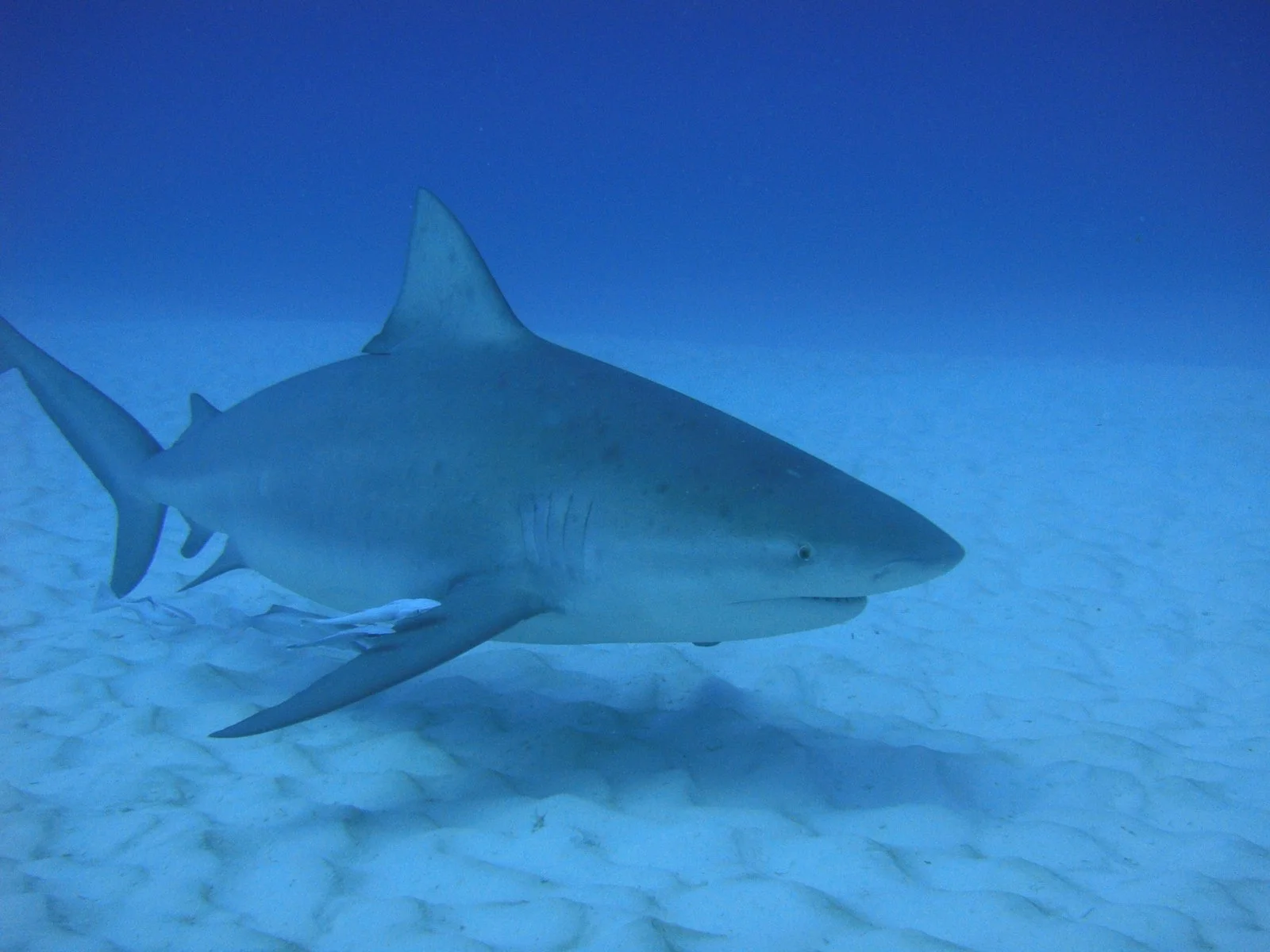
bull shark
Photo Credit: Australian Museum

How Long Elevated Conditions Can Last

Experts cited in the sources warned that risk can remain elevated while water stays turbid after significant rain. One assessment suggested it can take up to a week for water to clear, while other warnings urged people to stay out of the water for at least the next week and potentially longer if conditions persist.

Safety Advice Emphasised In The Sources

Expert advice consistently focuses on avoiding murky water, staying clear of river mouths and areas where bait fish may gather, and using netted swimming enclosures where available.

Beach monitoring measures included drone surveillance and on-water patrols used to scan for shark activity and assess conditions.

Outlook


The Dee Why incident occurred during a period described by experts as peak bull shark season, with warm water and recent heavy rain combining to increase risk in near-shore, low-visibility conditions. Monitoring and closures were expected to continue until conditions improved.

Published 21-Jan-2026

Dee Why Beach Among 9 Closed After Pollution Scare

Hundreds of mysterious grey, marble-sized balls have washed ashore at Dee Why and eight other sites in the Northern Beaches, prompting immediate closures for public safety. 


In coordination with the Environment Protection Authority (EPA), Council has launched an investigation to identify the nature and origin of the debris.

Impact on the Community

The affected beaches include Dee Why, Manly, Long Reef, Queenscliff, Freshwater, North and South Curl Curl, North Steyne, and North Narrabeen. Council representatives have urged beachgoers to avoid these areas until further notice, advising the public not to touch the debris while clean-up efforts are underway.

Officials and EPA experts are working to collect and test the balls, described as grey or white, with most the size of marbles and a few larger. Results from sample testing would determine the next steps.

Residents who notice similar debris on other beaches are encouraged to contact the council hotline at 1300 434 434.

@emilyinoz

So no sharks today… yet (still bluebottles) but apparently most northern beaches are closed due to water pollution 😫

♬ Stereo Love – 𝑳𝒆𝒕𝒊𝒄𝒊𝒂 🇧🇷

A Pattern of Coastal Pollution

This latest incident mirrors similar events along the Sydney coastline in recent months. In October 2024, thousands of black, tar-like balls were found along beaches in the city’s eastern suburbs, including Coogee and Bondi. Tests revealed that those earlier balls contained a mixture of human-generated waste, including petroleum hydrocarbons, fatty acids, and traces of organic materials.

While the exact source of the current debris remains unclear, investigators are exploring whether it could be linked to industrial or wastewater pollution, as seen in past occurrences.

Environmental and Public Health Concerns

Community members have raised concerns about the potential environmental impact and health risks posed by the debris. Previous findings have linked similar materials to pollutants like motor oil and wastewater discharge, which can harm marine ecosystems and potentially expose humans to hazardous substances.


Beaches will remain closed until authorities complete testing and confirm that conditions are safe for public access. Clean-up crews have been deployed to affected areas, and additional inspections of nearby beaches are ongoing.

Published 14-January-2025