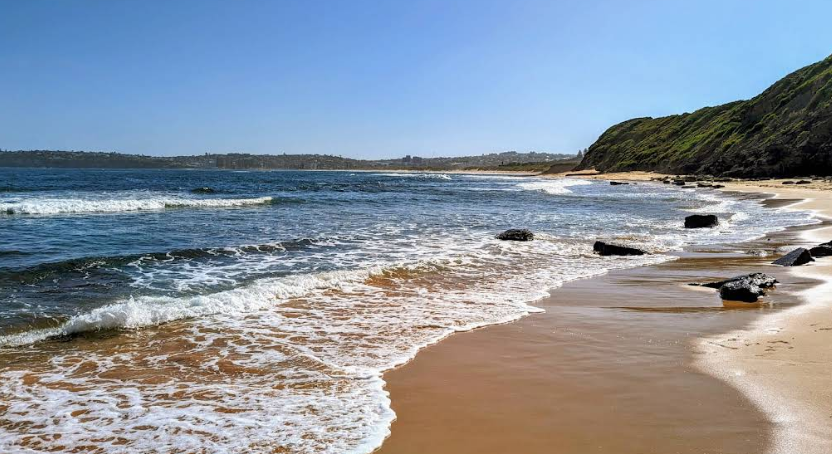

Dee Why Beach Closed After Shark Bites 11-Year-Old’s Surfboard in Second Sydney Incident

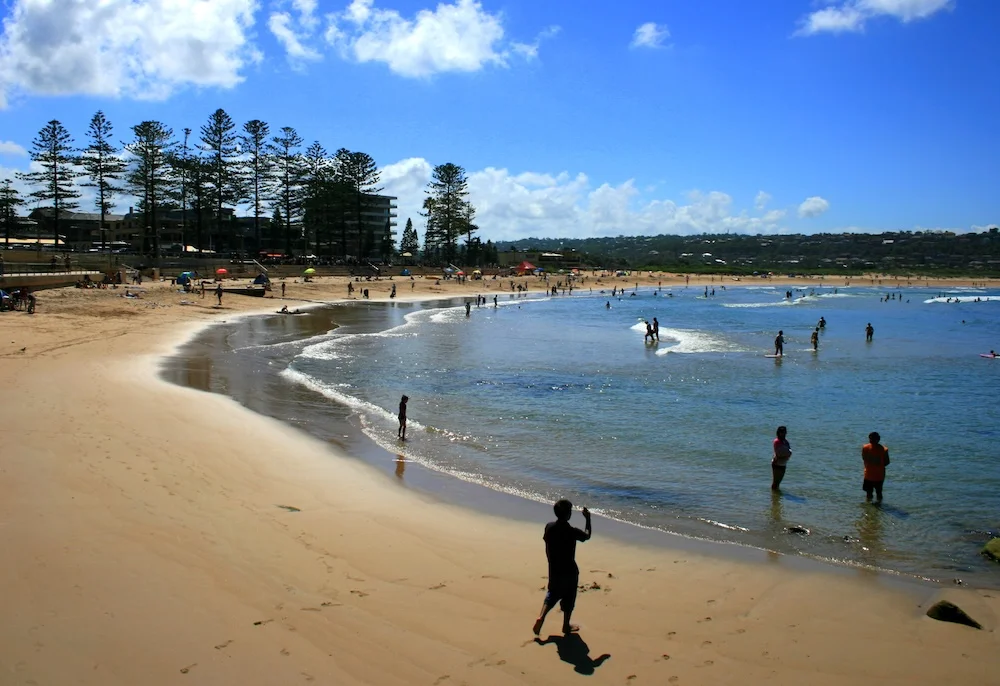
An 11-year-old boy surfing at Dee Why Beach had a close call with a shark on Monday morning when the marine animal bit his surfboard multiple times at the southern end of the beach.


The young surfer managed to escape without injury and made it safely back to shore, despite his board sustaining several bite marks during the incident.

According to a Surf Life Saving NSW spokesperson, the beach had already been closed to the public due to hazardous water conditions at the time of the attack. The closure is expected to remain in place for up to 48 hours following the incident.

Surf lifesavers responded immediately after the boy reached the shore, deploying a drone to monitor the waters around Dee Why Beach for any signs of shark activity.

The species of shark involved has not yet been confirmed. A section of the damaged surfboard has been sent to NSW Fisheries for analysis, which may help identify what type of shark was responsible for the attack.

The Manly Observer reported that witnesses believe they spotted a bull shark measuring approximately four to five feet in length, though this sighting remains unconfirmed by authorities.

The Dee Why incident occurred just one day after a separate shark attack at Nielsen Park in Vaucluse, where a 13-year-old boy was mauled shortly after entering the water at Shark Beach around 4.20pm on Sunday.

The teenager remains in hospital in critical condition. NSW Police Superintendent Joseph McNulty commended the brave actions of the victim’s friends, particularly one who jumped into the water to help pull the injured teen to safety, describing the rescue effort as “heroic”.

That beach also remains closed, with authorities advising the public to avoid swimming in harbour waters for the time being.


Both incidents have prompted increased vigilance from beach safety officials across Sydney’s coastal areas.

Published 19-January-2026
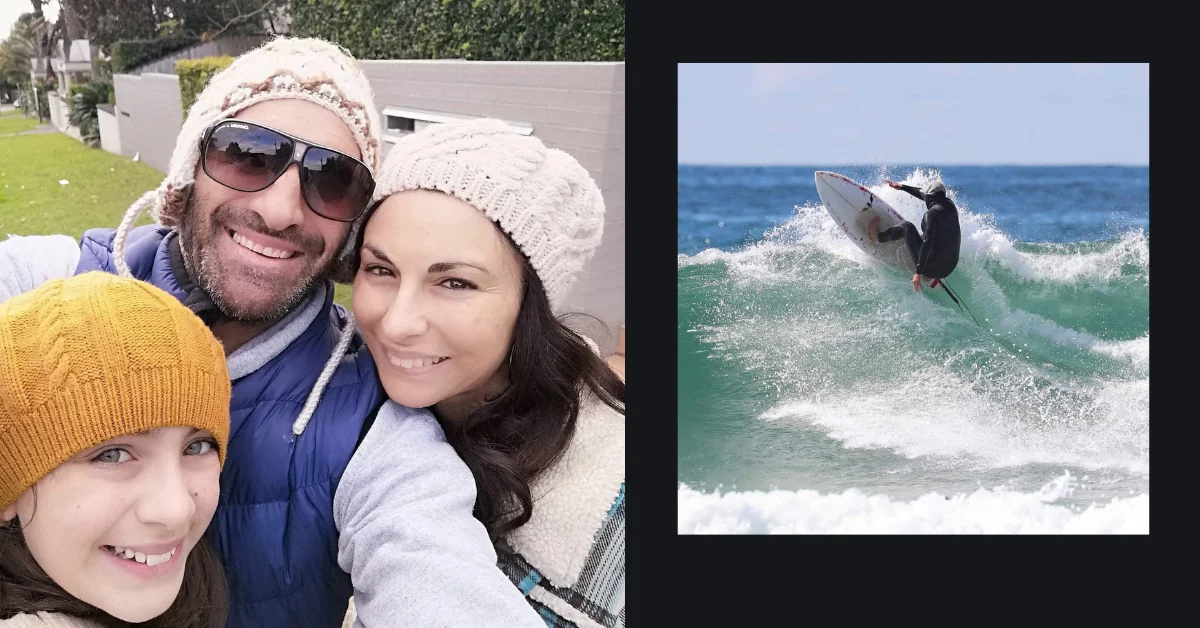
Widow Calls for Stronger Protections After Dee Why Shark Incident

Maria Psillakis has spoken publicly for the first time after her husband, Mercury Psillakis, died in a shark attack in Dee Why, calling for improved safety measures in the area.


Shark Attack in Dee Why Sparks Renewed Safety Focus

On 6 September, Mercury Psillakis was surfing with friends near Dee Why when he was fatally injured by a great white shark. He had been in the water for around half an hour and was approximately 80 metres offshore at the time.

The attack occurred two weeks before the patrol season began, and the shark alarm was not triggered for 45 minutes. Children were later seen swimming close to the site, heightening concerns about the response time.

Advocacy for Evidence-Based Protection

Maria Psillakis is urging improvements to shark detection and monitoring. She has highlighted that drones are operated only during the summer period in Sydney, and that the shark involved was untagged, preventing tracking through existing systems.

Her goal is to reduce the risk of similar incidents by pushing for broader use of evidence-based technology and coordinated safety discussions involving surf lifesaving groups, scientific experts and community representatives.

Photo Credit: Yannis Michalandos/Facebook

A Life Remembered at Dee Why

A paddle-out was held on 27 September, drawing around 1,500 participants who gathered in the water to honour Mercury’s life. His family described him as a devoted husband, father, friend and keen surfer with a deep passion for rare palms.

Mercury had a long history with surfing and community surf clubs, and that he was known for both his humour and his commitment to those around him.

Final Moments and Family Reflections

According to Maria’s tribute, Mercury alerted his friends to the presence of the shark shortly before the attack. She described him as vigilant in the ocean and focused on protecting others.

His family shared memories of their life together, including years of working side-by-side, his love for their daughter, and their choice to slow down after health challenges to prioritise time together.

Photo Credit: Yannis Michalandos/Facebook

Community Support for the Psillakis Family

Community support has been significant. Friends, surfers, school groups, palm enthusiasts and locals have offered help through tributes, attendance at the paddle-out, and personal contributions.

Maria expressed that the support from both close connections and strangers has brought comfort during a difficult period.

Continuing the Call for Change in Dee Why


Maria intends to continue advocating for improved safety in Dee Why, aiming to minimise risk for ocean users and ensure that lessons from the incident contribute to more robust protection measures.

Published 26-Nov-2025

Dee Why Tragedy Spurs Tech Shift as Shark Numbers Rise

A tragic shark attack at Dee Why has spurred a massive community shift towards personal high-tech safety solutions as residents confront an ocean environment altered by recent flooding.


A Community Seeks Answers

The recent death of surfer Mercury Psillakis at Dee Why has deeply affected the Northern Beaches. This shift in caution is clear from new figures showing downloads of the NSW government’s SharkSmart app. On September 6, the day of the attack, downloads jumped from a daily average of 30 or 40 to 308. In the following weeks, more than 8,400 new users downloaded the app, showing a clear community desire for real-time information before entering the water.

A Changed Ocean Environment

shark
Photo Credit: Google Maps

That information is becoming more vital as data shows a changing coastline. The Department of Primary Industries and Regional Development (DPIRD) has recorded a 53 per cent increase in the number of tiger sharks caught on satellite-linked drum lines. This past year, 170 tiger sharks were found, a significant jump from 111 the previous year.

Dr Paul Butcher, a principal research scientist at DPIRD, explained that the state’s record-breaking wet season is largely responsible for the increase. He said that major floods and creek run-off have washed new food sources into the ocean. This attracts tiger sharks, which Dr Butcher described as opportunistic animals that will eat almost anything. He noted this trend is visible not only in New South Wales but as far south as Tasmania.

From Drum Lines to Phone Alerts

shark
Photo Credit: Shark Smart

The SharkSmart app is directly linked to the state’s SMART drum line program. More than 300 of these lines, which use baited hooks, are set up to intercept sharks beyond the surf break. If an animal is caught, government contractors must respond within 30 minutes. If it is a white, tiger, or bull shark, it is fitted with a tag and released about one kilometre from the coast.

Dr Butcher explained that any time one of these tagged animals swims within 500 metres of 37 listening stations along the coast, it sends an instant, real-time alert to every person with the SharkSmart app.


The Future of Personal Safety

In the wake of the Dee Why attack, the NSW government has paused a trial that would have removed some shark nets from beaches. At the same time, it is funding research into new, personal forms of protection.

Scientists from Flinders University and the DPIRD recently published findings on bite-resistant wetsuits. Dr Thomas Clarke, from the university’s Southern Shark Ecology Group, said his team tested four different materials on wild sharks in South Australia and near Norfolk Island. They used baited boards covered in a foam that mimics human flesh, enticing about 30 white sharks and 15 tiger sharks to bite.

Dr Clarke stated that all four bite-resistant materials were able to reduce critical damage, such as the large lacerations and punctures that typically lead to major blood loss and fatalities. These wetsuits often use materials like Kevlar. While it is not known if the suits would protect from crushing or internal injuries, Dr Clarke suggested the results show they could go a long way to reducing deaths from serious bites.

Published Date 06-November-2025

Dee Why Tragedy Renews Debate Over Shark Safety Measures

Dee Why is once again confronting its uneasy relationship with the sea after a fatal shark attack on Sydney’s Northern Beaches this spring. The incident has reignited questions about whether the shark nets lining much of New South Wales’ coastline are protecting swimmers—or putting marine life, and potentially beachgoers, at greater risk.


Reconsidering shark nets after recent incidents

It was widely noted that a shark net was in operation off Dee Why Beach at the time of the fatal incident, part of a decades-old state shark mitigation program. Following that attack, NSW paused a planned trial to remove nets at three locations.

Critics of the nets, including marine scientists and animal protection advocates, argue that these barriers are outdated, indiscriminate, and unnecessary in the age of modern tracking and alert technology.

Environmental and marine groups point to safer alternatives, such as smart drumlines and drone patrols, already operating successfully across parts of the NSW coast. These tools enable tagged sharks to be detected and tracked in real time without harming other marine species. 

Drones have spotted more than 1,000 sharks off New South Wales in the past year, allowing lifeguards to act quickly when sharks approach popular beaches.

Photo Credit: Wikimedia Commons/CC BY-SA 4.0

Modern tools and new data

According to reports, New South Wales is expanding its use of smart drumlines that trigger alerts when a shark takes the bait, allowing it to be tagged and released offshore. The technology works alongside listening stations and the Shark Smart mobile app, which notifies swimmers when a tagged shark is nearby. Researchers have also tested bite-resistant wetsuits and personal electronic deterrents to reduce bite risk for surfers and divers.

The safety debate intensified after a whale calf was found drowned in a shark net off Coledale Beach near Wollongong in late October. Humane World for Animals Australia said the incident was a “tragic, avoidable death” caused by the government’s reluctance to remove shark nets, which were reinstalled at 51 beaches in September despite ongoing humpback whale migration. Marine biologists warn that the nets not only kill non-target species such as turtles and dolphins but can also attract sharks by trapping dying animals.

Community push for safer coasts

Advocates across Sydney’s Northern Beaches say the future of shark management must balance safety with sustainability. They call for expanded trials of non-lethal systems, stronger community education, and continuous monitoring to ensure early detection.


Experts agree there is no way to eliminate risk entirely but emphasise that combining technology, communication, and responsible beach management can significantly reduce danger while protecting marine ecosystems.

Published 30-Oct-2025

Surfing Community Unites to Honour Mercury Psillakis

Hundreds of mourners gathered at Archangel Michael Greek Orthodox Church in Crows Nest on 18 September to farewell Mercury Psillakis, the surfer who died in a shark attack off Dee Why beach.


Read: Surfer Killed in Shark Attack off Long Reef, Dee Why Beach Closed


The 56-year-old father and long-time member of the local surfing community passed away on Saturday, 6 September, after being mauled by a five-metre great white shark. He had been surfing with friends just after 9:30 a.m. and had been in the water for around half an hour when the attack occurred. 

Mercury Psillakis
Photo credit: James/Google Maps

Witnesses said he was only about 100 metres from shore when he disappeared beneath the surface. Fellow surfers managed to bring him to land, but he had suffered catastrophic injuries and could not be revived.

Psillakis was remembered as a devoted husband, father, son, and brother. His funeral service was held at 11am at the Crows Nest church, before a committal at Frenchs Forest Bushland Cemetery in Belrose. A wake followed at Dee Why RSL, where family and friends continued to pay tribute to his life.

At the service, surfboards carried by mourners formed a guard of honour, and a floral arrangement shaped like a surfboard stood at the pulpit, symbolising his deep connection to the ocean. Inside, his maroon casket bore the marks of kisses and touches from relatives, friends, and fellow surfers.

Mercury Psillakis
Archangel Michael Greek Orthodox Church (Photo credit: Google Street View)

Tributes recalled Mercury Psillakis as a man with a strong sense of community, someone who stood by loved ones during illness and hardship, and who spent much of his time in the water with his surfing mates. His final moments, spent warning others of the danger, were described as consistent with his selfless nature.

His wife Maria and daughter Freedom were at the centre of the farewell, supported by family as they offered their last goodbyes.


Read: Once-Overlooked Dee Why Becomes Northern Beaches Hotspot


In lieu of flowers, donations were collected at the church for the Cure Cancer Australia Foundation, reflecting Psillakis’ generosity and ongoing legacy of care for others.

Published 19-September-2025