





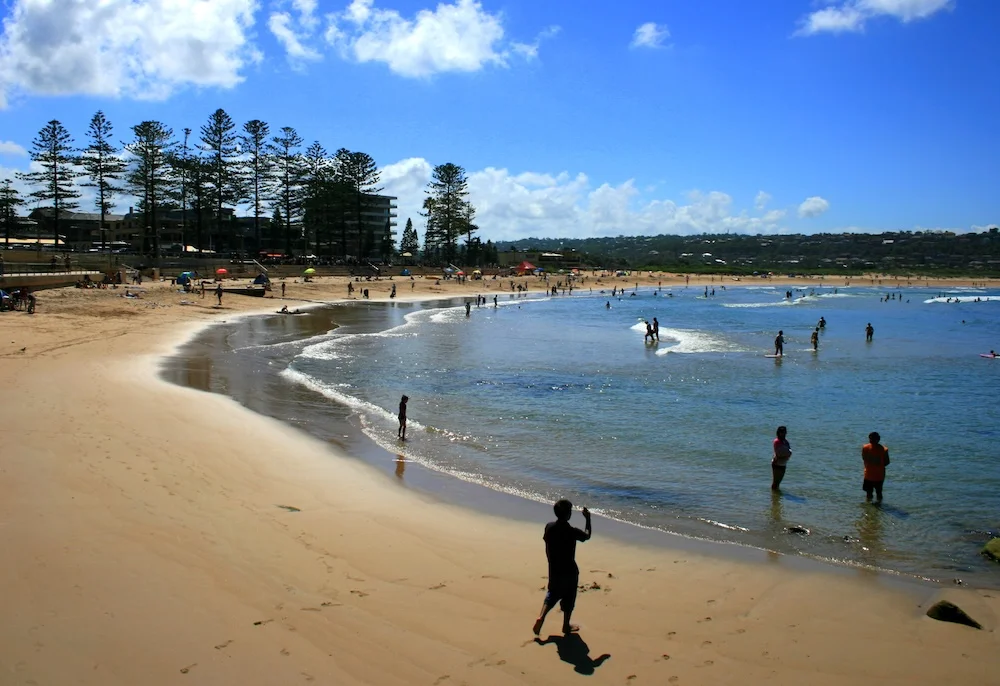
Dee Why is once again confronting its uneasy relationship with the sea after a fatal shark attack on Sydney’s Northern Beaches this spring. The incident has reignited questions about whether the shark nets lining much of New South Wales’ coastline are protecting swimmers—or putting marine life, and potentially beachgoers, at greater risk.
Reconsidering shark nets after recent incidents
It was widely noted that a shark net was in operation off Dee Why Beach at the time of the fatal incident, part of a decades-old state shark mitigation program. Following that attack, NSW paused a planned trial to remove nets at three locations.
Critics of the nets, including marine scientists and animal protection advocates, argue that these barriers are outdated, indiscriminate, and unnecessary in the age of modern tracking and alert technology.
Environmental and marine groups point to safer alternatives, such as smart drumlines and drone patrols, already operating successfully across parts of the NSW coast. These tools enable tagged sharks to be detected and tracked in real time without harming other marine species.
Drones have spotted more than 1,000 sharks off New South Wales in the past year, allowing lifeguards to act quickly when sharks approach popular beaches.
Modern tools and new data
According to reports, New South Wales is expanding its use of smart drumlines that trigger alerts when a shark takes the bait, allowing it to be tagged and released offshore. The technology works alongside listening stations and the Shark Smart mobile app, which notifies swimmers when a tagged shark is nearby. Researchers have also tested bite-resistant wetsuits and personal electronic deterrents to reduce bite risk for surfers and divers.
The safety debate intensified after a whale calf was found drowned in a shark net off Coledale Beach near Wollongong in late October. Humane World for Animals Australia said the incident was a “tragic, avoidable death” caused by the government’s reluctance to remove shark nets, which were reinstalled at 51 beaches in September despite ongoing humpback whale migration. Marine biologists warn that the nets not only kill non-target species such as turtles and dolphins but can also attract sharks by trapping dying animals.
Community push for safer coasts
Advocates across Sydney’s Northern Beaches say the future of shark management must balance safety with sustainability. They call for expanded trials of non-lethal systems, stronger community education, and continuous monitoring to ensure early detection.
Experts agree there is no way to eliminate risk entirely but emphasise that combining technology, communication, and responsible beach management can significantly reduce danger while protecting marine ecosystems.
Published 30-Oct-2025