


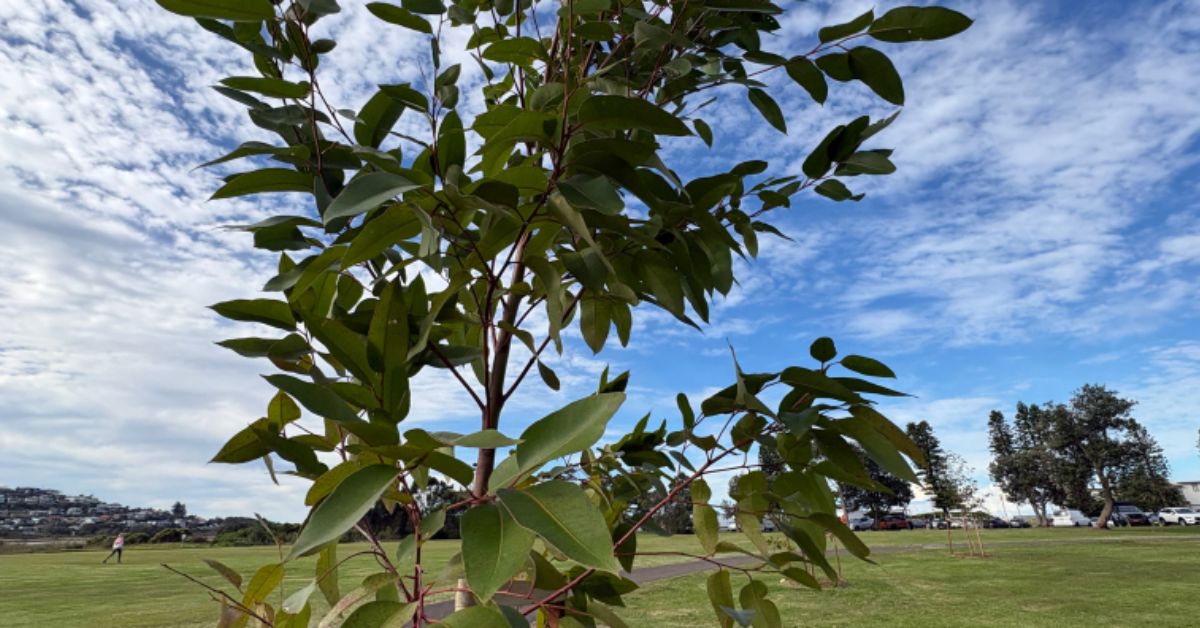
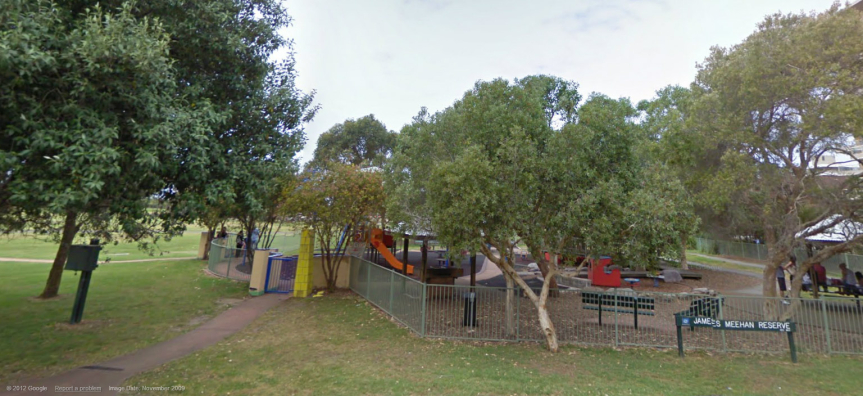
More than 40 advanced native and coastal trees have been planted at James Meehan Reserve in Dee Why as part of a larger canopy-building programme targeting Northern Beaches suburbs identified as having lower-than-average tree cover.
The new plantings, completed over the past month, include a mix of five species chosen for their suitability to the local environment: banksia integrifolia, eucalyptus robusta, melaleuca quinquenervia, araucaria heterophylla and ficus rubiginosa.
For anyone walking through James Meehan Reserve on the way to the beach, heading out for a dog walk, or watching sport on the weekend, the change is already visible — and the benefits will compound considerably as the trees mature over coming years.
Dee Why is one of four suburbs prioritised in the current round of planting alongside Brookvale, Warriewood and North Curl Curl. The programme is funded through a special variation in rates and sits within a broader Tree Canopy Plan aimed at building urban greenery across the Northern Beaches over the long term.
Shade that does real work on hot days
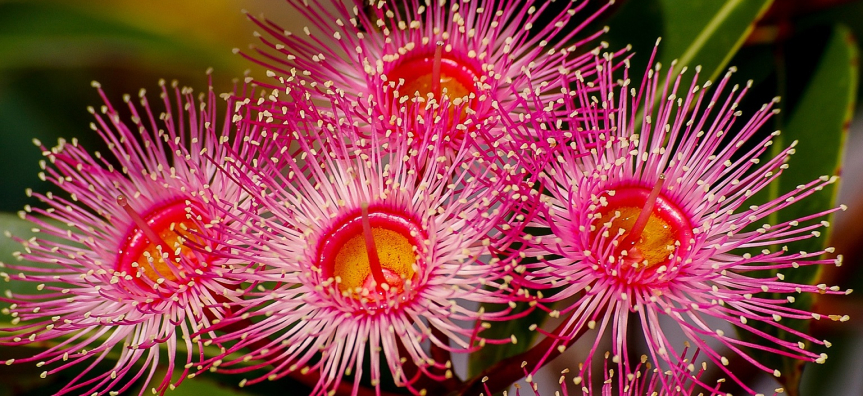
The new plantings will boost canopy cover and help reduce the impacts of urban heat on public land. Trees act as natural air conditioners, providing shade and cooling on hot days, and streets with trees can be several degrees cooler in summer.
On a suburb like Dee Why, where the built environment and coastal exposure combine to concentrate heat during summer afternoons, that temperature difference is felt directly by anyone spending time outdoors.
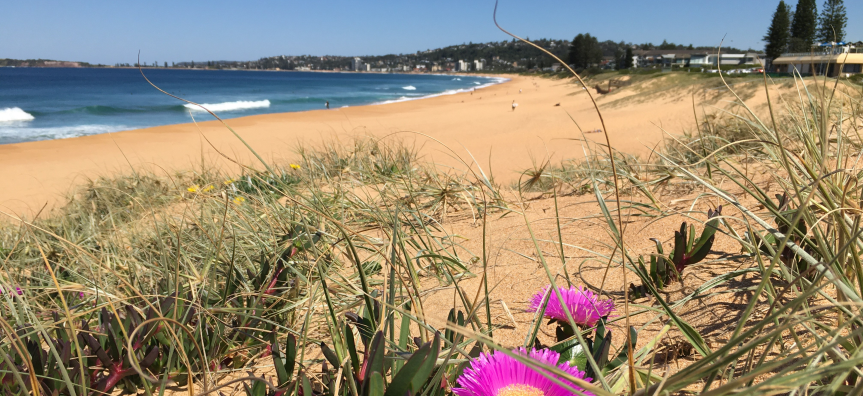
Urban heat is not just a comfort issue. It affects how long people can safely spend outside, how walkable a neighbourhood feels during warmer months, and what kinds of outdoor activity are realistic for older residents and young children.
Increasing canopy cover in areas where it has historically been lower addresses that problem at a neighbourhood scale, rather than expecting individuals to manage it on their own.
Greener streets people actually want to spend time in
People are drawn to greener places. Green streets and neighbourhoods provide privacy, local character and places to play and spend time. It is the kind of thing that is easy to overlook until the trees are there, and then immediately obvious. A reserve with established canopy draws different foot traffic than an open, exposed one.
It encourages slower movement, longer visits and the kind of incidental social contact that gives a suburb its sense of community.
For Dee Why, a suburb that has been developing at pace with new residential density along Pittwater Road and the surrounding streets, the addition of mature vegetation in public reserves plays a practical role in making shared outdoor spaces feel worth using.
A habitat, not just a landscape feature
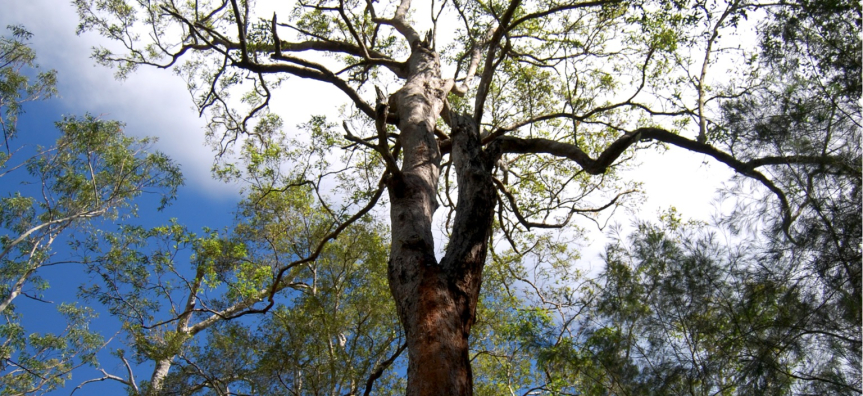
Trees provide food and homes to birds, insects and wildlife. A mature gum tree can be home to many hundreds of different species, helping sustain ecosystems. The species selected for the James Meehan Reserve planting include natives well suited to supporting local wildlife corridors on the Northern Beaches.
Banksia integrifolia, the coast banksia, is a particularly significant food source for honeyeaters and flying foxes. Ficus rubiginosa, the Port Jackson fig, supports fruit-eating birds and provides dense canopy as it matures.
The Dee Why planting connects to a broader effort to maintain biodiversity across the Northern Beaches’ urban landscape, where native vegetation has been progressively replaced by development over decades.
Part of a longer plan for the Northern Beaches
The James Meehan Reserve planting is one element of a larger-scale programme that targets low-canopy suburbs across the Northern Beaches with substantial numbers of trees rather than token additions.
The Tree Canopy Plan sets out preferred species, planting locations and long-term targets, and the current programme is executing against those priorities in a concentrated way.
Residents can learn more about the tree planting programme, preferred local species and the Tree Canopy Plan at the Northern Beaches website.
Published 26-June-2026