




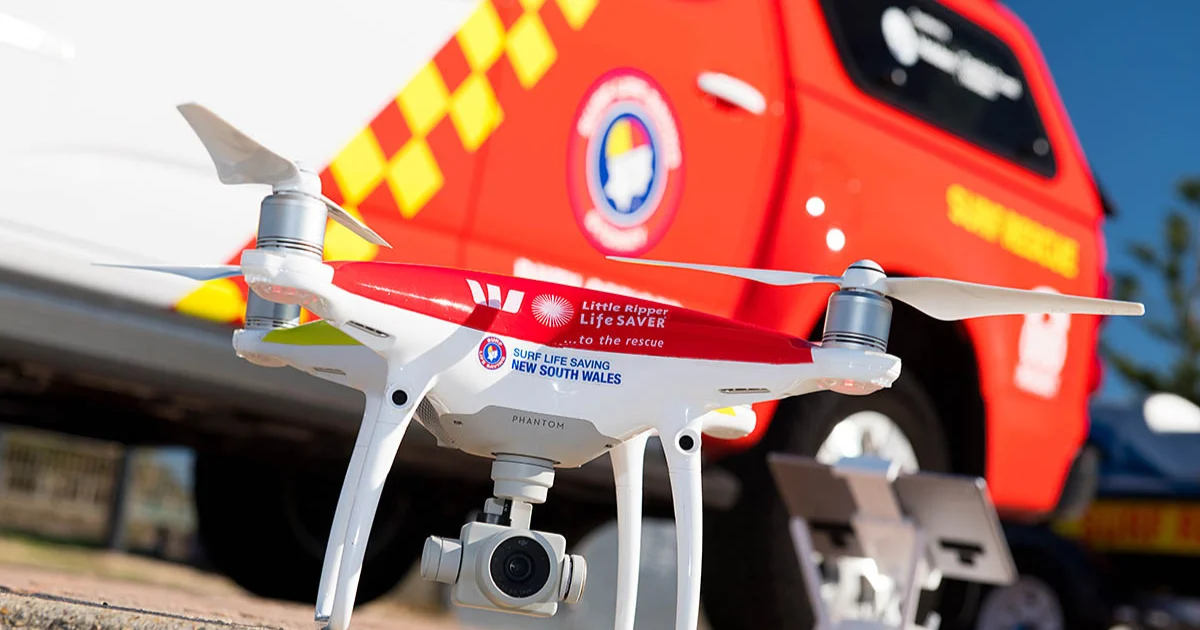
The devastating shark attack that claimed the life of Dee Why surfer Mercury Psillakis in September 2025 has sparked a major expansion of aerial shark surveillance across NSW, with $2.5 million in new funding set to put more eyes in the sky over the beaches this summer.
Read: Widow Calls for Stronger Protections After Dee Why Shark Incident
The additional investment will extend Surf Life Saving NSW drone patrols to cover a longer season and provide local boardrider clubs with their own drones and training through Surfing NSW. It’s a direct response to the tragedy that shook our community and left the Psillakis family searching for ways to prevent another family from experiencing such heartbreak.
Starting this season, SLSNSW drones began weekend surveillance a week earlier on 13 December 2025, and patrols will now continue until 29 March 2026. Throughout the Christmas holiday period and into the end of January, these drones will fly daily rather than just on weekends, providing crucial coverage during the busiest time of year on the beaches.

The partnership with Surfing NSW adds a new dimension to surf safety management. Boardrider clubs, including Long Reef on the Northern Beaches, will receive drones and training, giving surfers who often venture beyond patrolled areas an additional safety net. This collaboration emerged after SLSNSW worked with Surfing NSW to provide drone and jet-ski coverage for surfing events following Mercury’s death.
Beyond the aerial technology, the funding package includes Community Shark Bite Kits to be stationed at unpatrolled beaches. These potentially life-saving kits include items such as tourniquets, compression bandages, dressings, thermal blankets, whistles and gloves, along with first aid instructions specifically designed for serious bite injuries. The initiative came from Danny Schouten, whose friend Kai McKenzie survived a shark attack whilst surfing at Port Macquarie in 2024.
The SharkSmart app, already popular with beachgoers, will also receive improvements to enhance its usability and the quality of information it provides about shark activity and beach conditions.
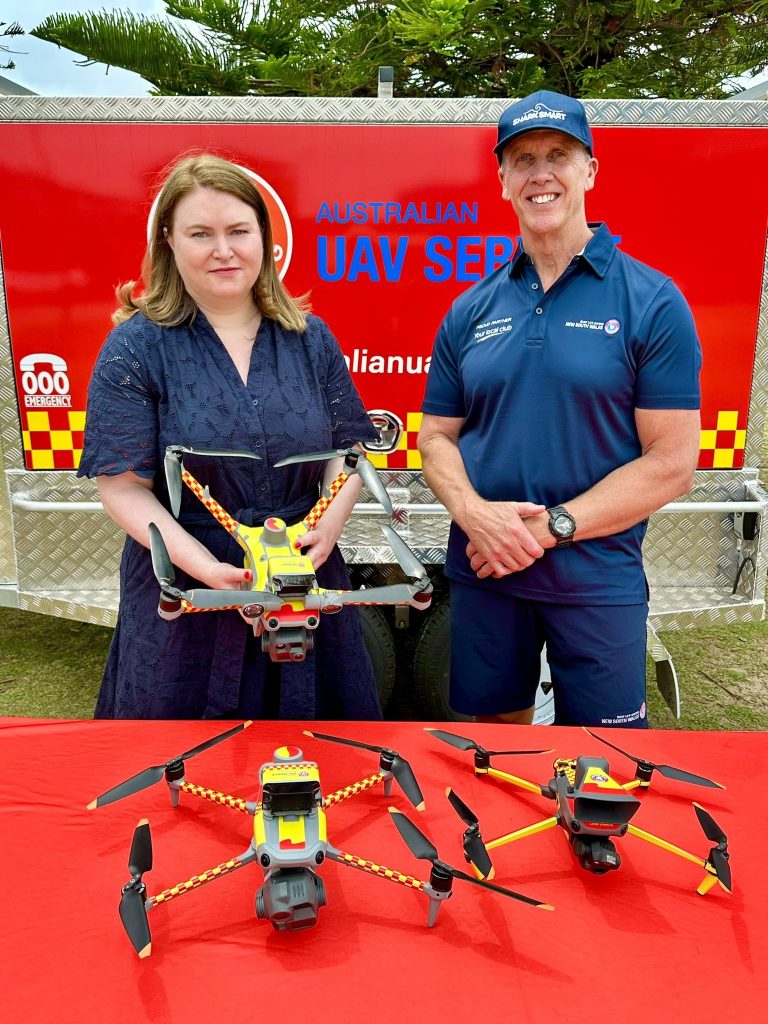
Agriculture Minister Tara Moriarty met with Maria and Mike Psillakis, Mercury’s wife and brother, before announcing the funding boost. Their conversations centred on increasing protection for boardriders and recognising surfers’ crucial role in beach safety as a lasting legacy for Mercury.
Pittwater MP Jacqui Scruby welcomed the announcement but emphasised that more needs to be done. The Northern Beaches currently has just three SLSNSW drones covering the entire coastline, alongside 15 shark nets, 30 SMART drumlines, and three tagged shark listening stations that track movements of tagged sharks.
The existing Shark Management Program already includes 305 SMART drumlines across 19 local government areas, shark nets at 51 beaches between Newcastle and Wollongong, and 37 tagged shark listening stations that send alerts to the SharkSmart app when tagged sharks are detected.
Minister Moriarty acknowledged that whilst there’s no foolproof way to eliminate shark interactions completely, combining technologies with increased public awareness significantly improves safety. The focus is on reducing interactions between swimmers, boardriders and sharks through better detection and information sharing.
For the Psillakis family and the broader Dee Why community, the announcement represents tangible change born from tragedy. Their advocacy, alongside local MPs and community leaders, has created a legacy that will benefit beachgoers and surfers across the state for years to come.
Read: Dee Why SLSC Names Five Members Awarded National Medals
As drones take to the skies this summer, they’ll serve as both practical guardians and poignant reminders of why this technology matters—and who it honours.
Published 13-January-2026


