


A gas main lying close to the road surface prompted NBC to take a different approach to repairing McIntosh Road in Dee Why, reinforcing the deteriorating pavement before resurfacing it.
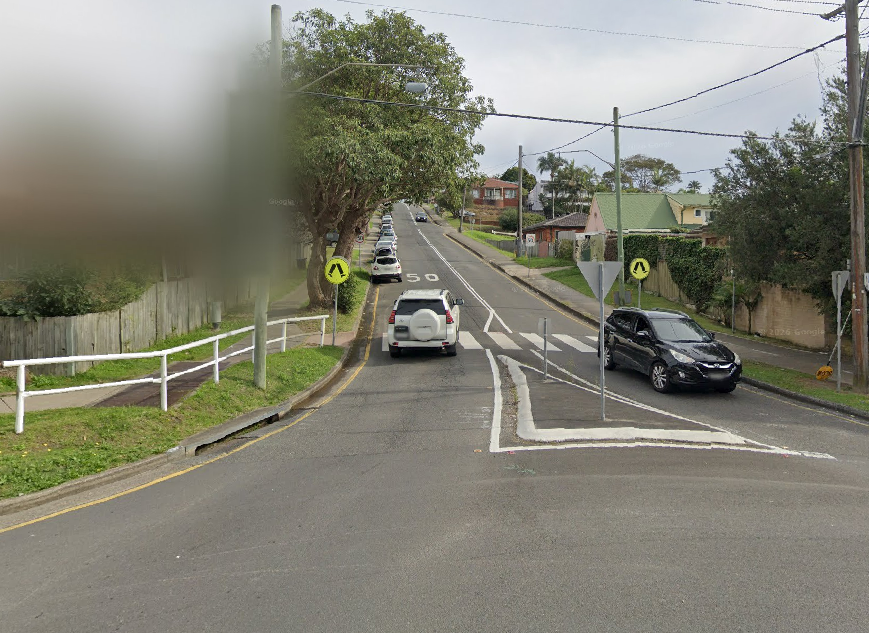
The renewal covered 530 metres between Fisher Road and Victor Road, along a route describes as one of Dee Why’s busiest local roads. In its 14 October 2026 road renewal update, NBC confirmed the work had been completed, including repairs to kerbs and gutters and the replacement of traffic management devices.
Beyond The Potholes On McIntosh Road
Before the renewal, the road received the most mentions in an informal poll about potholes, which attracted about 70 responses from across the Northern Beaches. Federal project records attributed the deteriorating pavement to increased traffic, documenting cracks, potholes and existing repair patches along the affected section.
In a September 2025 maintenance update, NBC explained how water entering small cracks can weaken pavement as vehicles continue to travel over it, eventually causing potholes to form. Temporary repairs can also reopen during prolonged wet weather. While filling individual potholes addresses damage at specific points, more extensive pavement treatments can address deterioration across larger sections of road. The choice of treatment depends on factors including pavement condition, traffic loads and underground infrastructure.
Reinforcing The Road From Beneath
On McIntosh Road, the proximity of the gas main to the surface influenced the engineering design. Full reconstruction would involve work on deeper pavement layers, whereas NBC selected a treatment incorporating a geogrid before resurfacing. A geogrid is an open mesh used to reinforce pavement. Its applications include delaying a form of deterioration known as reflective cracking, where fractures in older pavement gradually extend through newly laid asphalt.
Technical guidance published in November 2025 by Queensland’s Department of Transport and Main Roads explains that repeated vehicle loads, movement around existing cracks and temperature changes can contribute to reflective cracking. Reinforcement between pavement layers can help reduce concentrated stresses and slow the progression of cracks towards the surface. Its effectiveness depends on the suitability of the treatment, pavement conditions and installation. NBC said its approach avoided relocating the gas main and replacing an ageing water main as part of the roadworks. Both utility works were avoided while renewing the affected pavement.
Funding And The Expected Pavement Lifespan
The renewal was listed for joint funding through NBC and the Australian Government’s Roads to Recovery program. The recorded federal contribution changed between the September 2025 project listing and an updated parliamentary record.
Earlier local reporting in August 2026 separately attributed an estimate of about $1.5 million to NBC. The final construction cost, actual federal payments and reason for the revised contribution have not been established. NBC expects the geogrid treatment to extend the pavement’s service life at considerably less cost than full reconstruction. Its October completion announcement did not specify how many additional years the reinforcement was expected to provide or quantify the anticipated savings.
Published 6-November-2026