



For the first time in four decades, young crayweed plants are sprouting across the reef at Dee Why, marking a major step in one of Australia’s most ambitious marine restoration projects. This local success is part of Operation Crayweed, a scientific effort to bring back the lost seaweed forests that once lined Sydney’s coastline.
The Loss Beneath the Surface
Back in the 1980s, untreated sewage discharge wiped out crayweed, golden-brown seaweed essential for marine life, across a 70-kilometre stretch of Sydney’s reefs. Although the city later upgraded its water treatment systems, the crayweed never naturally returned.
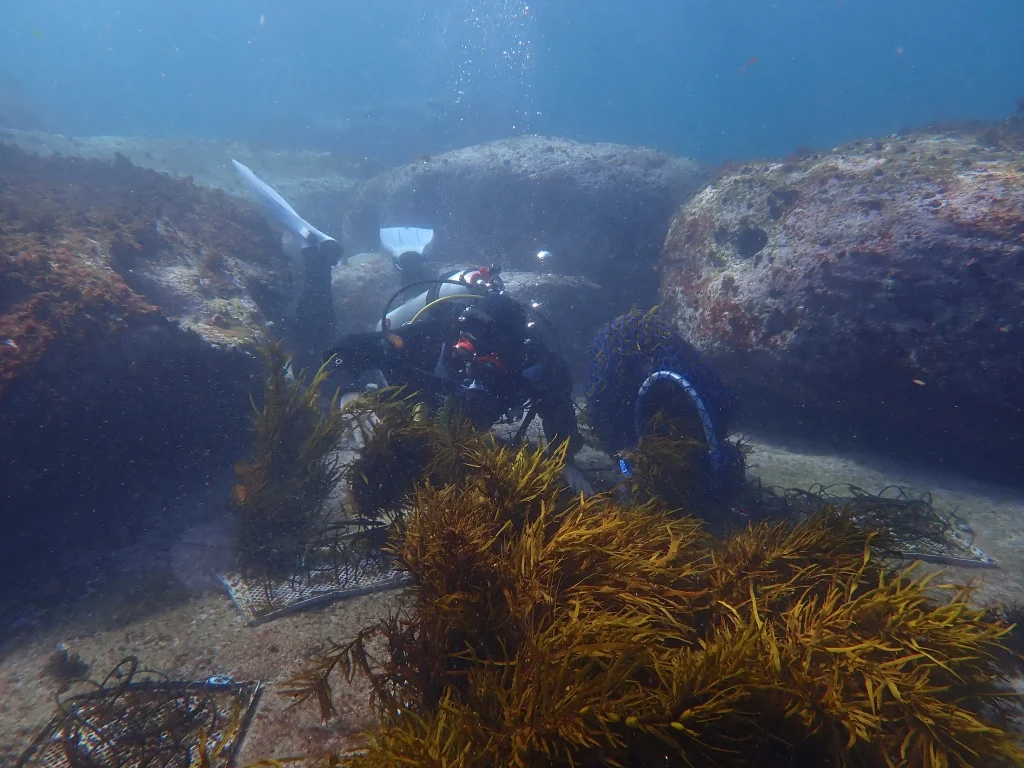
Without these underwater forests, species like abalone, lobsters and many small fish lost their habitat, affecting both biodiversity and recreational fishing. Local marine ecologists from UNSW and SIMS (Sydney Institute of Marine Science) have since been leading efforts to reverse that loss.
How Dee Why Turned Green Again
In winter 2024, Dee Why was selected as a crayweed restoration site through a partnership between scientists and property group Investa. More than 200 adult crayweed were transplanted onto biodegradable mats placed on the seafloor, but none survived, likely due to waves and herbivore damage.
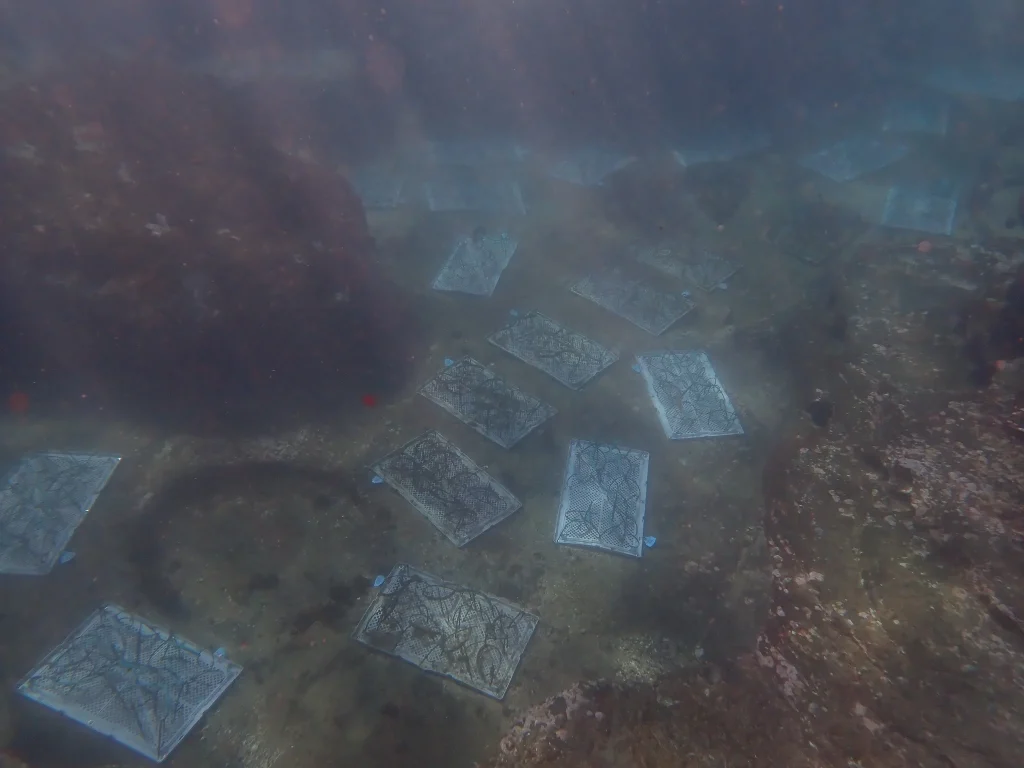

However, by February 2025, over 1,500 juvenile crayweed, or “craybies,” were thriving and had spread more than 10 metres from the original site. A second planting in March aimed to boost canopy cover and protect these new recruits. The strong natural growth showed Dee Why’s reef was ready to recover and that the restoration methods were working.
Community Effort Below the Waves
Crayweed restoration at Dee Why isn’t just a science project, it’s a community effort. Volunteers from Investa rolled up their sleeves alongside researchers, helping with everything from plant prep to underwater mapping.

The project has also sparked public interest, with social media and local events bringing the issue to light. South Maroubra, restored around the same time, is showing similar signs of success. Together, these sites show how local teamwork and steady monitoring are helping Sydney’s underwater forests grow back.
A Model for Coastal Recovery
As of mid-2025, Operation Crayweed has planted at 16 different sites along the Sydney coast, with seven now supporting self-sustaining crayweed forests. The project continues to track what works and adapt to each site’s challenges.
At places like Dee Why, where new plants are thriving even when adult transplants fail, the data is helping refine future strategies.
With more locations planned for restoration in the next two years, the hope is that crayweed will return not just to individual patches of reef, but to entire sections of the coastline. By bringing back this critical underwater habitat, the project is offering coastal communities better biodiversity, healthier fisheries and stronger ecosystems for years to come.
Published 11-July-2025